Creatine gummies: why we don’t recommend them
Dry creatine monohydrate is a stable, well-studied powder. Put the same molecule in a wet, acidic, often heated gummy and it starts turning into creatinine. We rate the gummy format Poor.
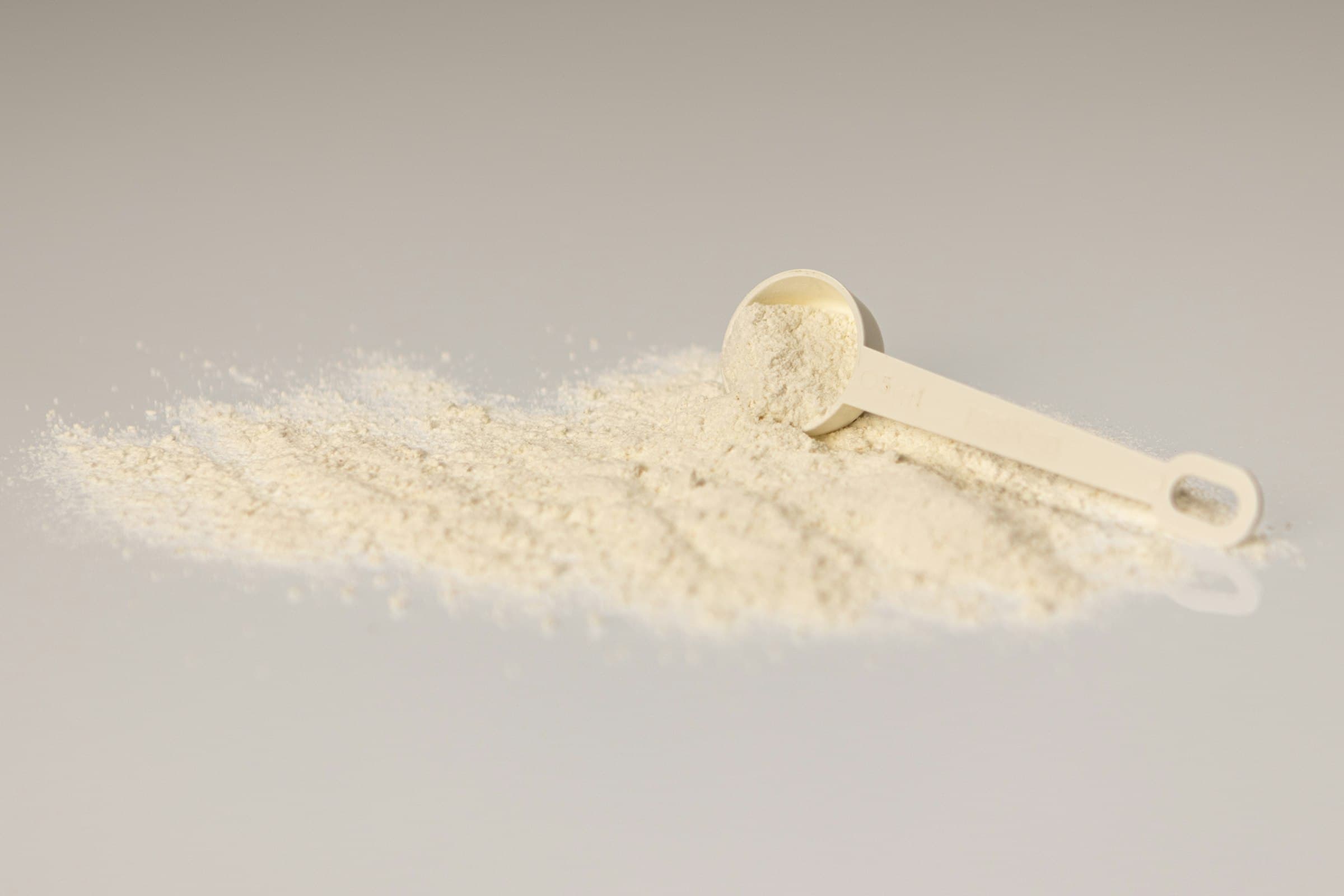
Creatine gummies are a format story dressed up as a convenience story. The compound in the powder jar is not the problem. Creatine monohydrate is one of the better-documented sports supplements we have. The gummy is the problem. It is a wet, usually acidic candy that has often been heated. That is the opposite of the matrix the stability literature describes as safe.
This desk does not recommend creatine gummies. We rate the gummy format Poor for labeled-creatine reliability. We rate dry monohydrate powder, or a dry stick of the same crystal mixed and drunk promptly, Excellent for evidence plus stability. If you want creatine, buy the dry form. Our labeled sister-brand example is Rephora Labs.
The format
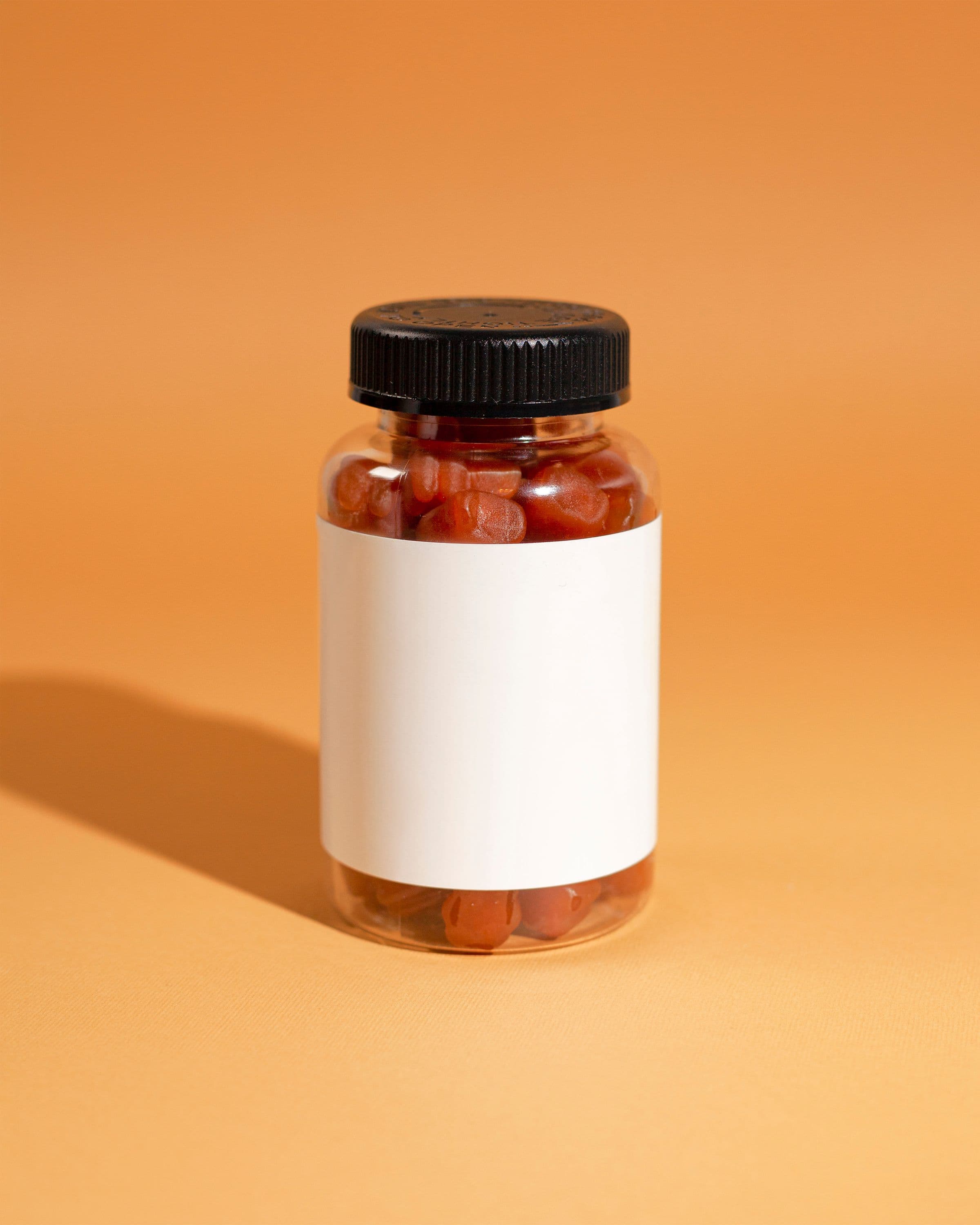
A creatine gummy is sold as convenience: a serving that looks like candy, travels without a shaker, and does not grit in a glass. That is a format choice, not a new molecule. The bottle still has to deliver labeled creatine after cooking, acidification, and months of residual moisture. The powder scoop does not have to survive that itinerary. We are not grading chew, flavor, or how pretty the jar looks on a shelf. We are grading whether the delivery system is a reliable way to get creatine.
How we evaluated this
We are judging a delivery system, not running a new trial of creatine for strength. The chemistry file is older than the gummy aisle: creatine in water, especially at low pH and higher temperature, converts to creatinine, which Uzzan and colleagues describe as having no biological activity. The dry crystal is a different object. Marketplace HPLC rounds from NOW (2024) and from SuppCo as reported by Wired (2025) are industry tests, not randomized clinical trials. We treat them as assays of what is in the bottle, not as outcome studies.
We did not invent a claim that “creatine is only stable at room temperature.” That sentence is false for the dry crystal and it would smear a useful powder.
Dry powder is stable. A gummy is not a dry powder.
Uzzan, Nechrebeki, Zhou, and Labuza stored creatine in glycerol plus pH 4.0 buffer across a wide water-activity range (about 0.31 to 0.983) at 4°C, 23°C, and 35°C. In that wet system, creatine degraded to creatinine with first-order kinetics at first. Rate rose with temperature. Rate fell as water activity fell. They could not explain the slowdown with pH and viscosity alone. They also confirmed the point that matters for a tub of powder: stability in the crystal form is very high unless the solid reaches deliquescence, the point where it takes up enough water to dissolve itself.
Jäger and colleagues, reviewing forms of creatine in Amino Acids (2011), make the same split. Powder remains stable for years, including at 40°C. In solution, it degrades. They pass along Harris’s figures for creatine in solution after three days at 25°C: about 4% lost at pH 5.5, about 12% at pH 4.5, and about 21% at pH 3.5. Kreider, Jäger, and Purpura’s 2022 Nutrients review restates the modern version of that file: dry creatine is stable; solution kinetics track pH and temperature.
The 1925 Edgar and Shiver equilibrium work, and later summaries of Dash, Ganguly, Howard, and Harris as cited in Jäger, are the older backbone. Creatine and creatinine are not marketing synonyms. They are two sides of a reaction that water and acid accelerate.
Creatine to creatinine
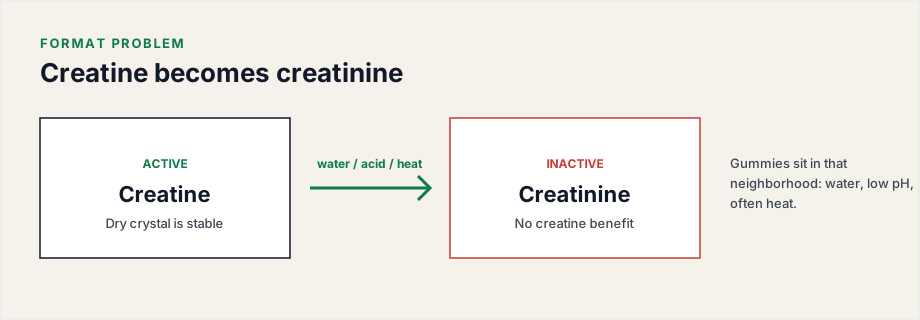
A gummy is built to be a high-moisture, flavored gel. Citric acid is common. Cooking a gummy typically means heat. Uzzan’s pH 4 glycerol systems are not a gummy recipe, and we will not pretend they are. They are a controlled way of asking what happens when creatine sits in a wet, acidic medium at ordinary and warm temperatures. That is the neighborhood a gummy lives in. A sealed jar of crystalline monohydrate is not.
What three days in acid does to dissolved creatine
Harris’s solution data, as reported by Jäger (2011) and carried in Kreider (2022):
| Solution pH | Creatine degraded after 3 days at 25°C | | --- | --- | | 5.5 | about 4% | | 4.5 | about 12% | | 3.5 | about 21% |
Those numbers are not a gummy shelf-life table. They are a warning about pH in water. A product that starts wet, stays wet, and tastes tart is volunteering for that reaction. A scoop of dry powder that you mix and drink is a short trip through solution, not a months-long one.
Marketplace assays, labeled as such
NOW Foods published a 2024 HPLC round on creatine gummies bought online. Nutraceuticals World reported the design and the result. Twelve branded products, claimed servings from 750 mg to 5,000 mg. Six of the twelve failed the label claim (NOW’s own count: a 46% failure rate). Gummies that missed the label were also checked for creatinine. Several showed it, in some cases a lot of it. NOW’s read, as reported: some bottles looked like they never had much creatine; others looked like they had more and then converted. Combined creatine plus creatinine still did not reach the claim in that failing group. NOW also said the outside labs it usually uses could not test gummies at all. That is a manufacturing and assay problem, not a flavor preference.
SuppCo later paid for independent tests of popular Amazon creatine gummies. Wired reported the results in June 2025: four of six products contained almost no creatine, or none. One high-ranking listing that claimed 5 g in two gummies measured 0.005 g in that serving. Wired also reported that gummies which still contained some creatine showed elevated creatinine, and that popular powders tested in the same project did not. Those are lab invoices, not VO2-max trials. They are enough to refuse the format.
We are not ranking a specific gummy brand in this guide. A bottle that passes one HPLC run does not repair the chemistry of the category. Until a manufacturer can show, with a public method, that labeled creatine survives process heat and residual moisture for the life of the product, the default remains the powder.
Claim-check: what a label can hide
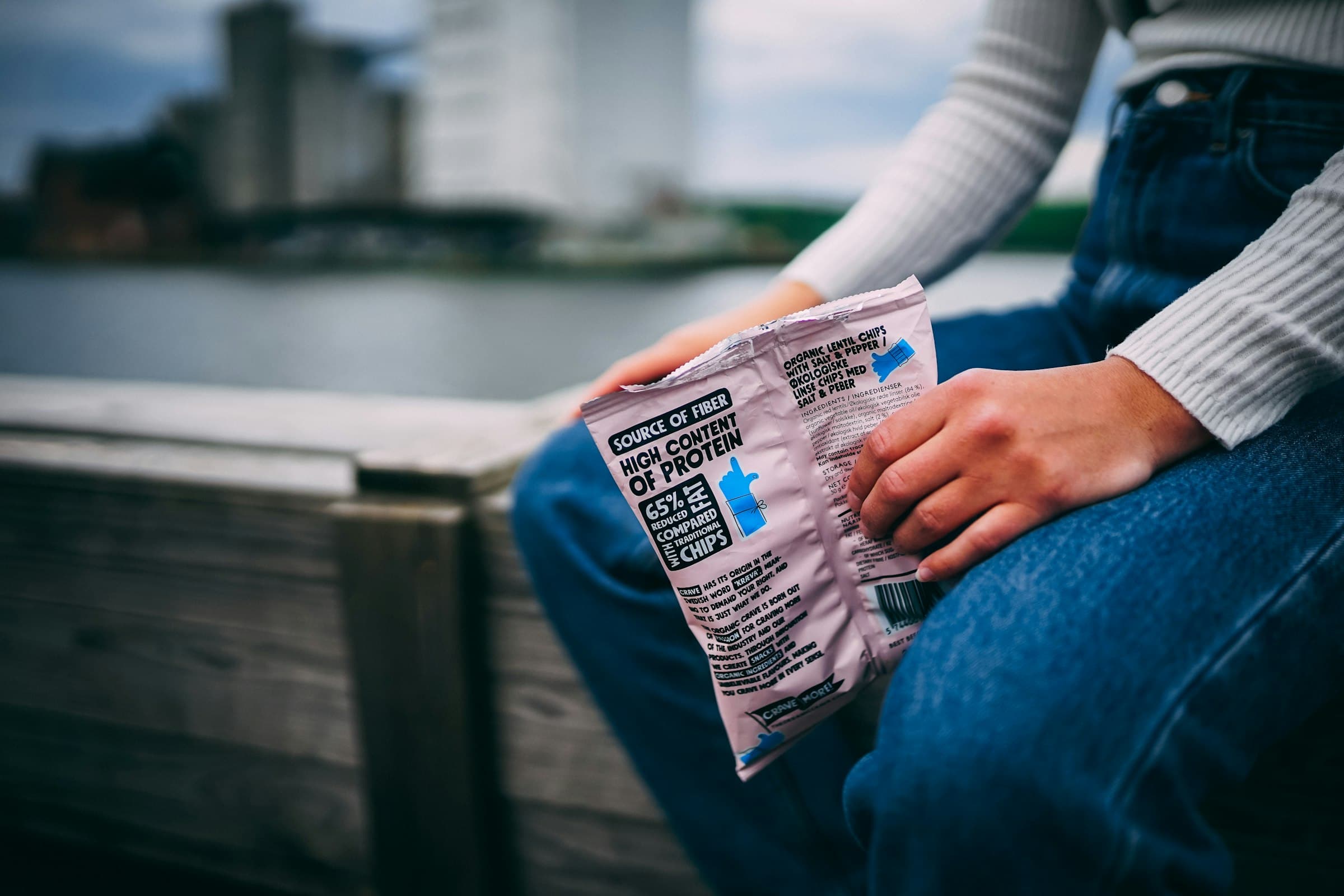
A serving claim is a sentence on a wrapper. “Source of fiber” and “high content of protein” on a snack bag are the same class of statement as “5 g creatine in two gummies”: they are words you can read in daylight. They are not a chromatogram.
When you pick up a creatine bottle, read three things before the flavor story:
- Grams of creatine per serving, not “proprietary blend” theater and not a count of gummies alone.
- How many pieces make that serving. Wired’s Amazon round, as reported, found a high-ranking listing that claimed 5 g in two gummies and measured 0.005 g in that serving. The wrapper was not shy. The assay was empty.
- Whether a named lab tested the lot. A seal without a method, a lot number, or a public certificate is decoration.
A powder scoop is easier to weigh and easier for an outside lab to dissolve. That is not romance about tubs. It is why the same marketplace projects that emptied gummy bottles did not show the same failure pattern in powders.
What we recommend instead
If you have a reason to take creatine, use 3–5 grams per day of creatine monohydrate powder, or a dry stick of that same crystal. That is the ordinary daily range in the modern review literature, not a loading protocol we are writing here. Prefer a product that has been third-party tested for identity and contaminants. Mix it in water or another drink and finish it. Do not treat a pre-mixed bottle as a week-long dispenser. Once creatine is in water, the Harris kinetics we already cited start to apply. A stick that sits mixed on a desk for days is volunteering for the same aqueous problem as a gummy, just on a shorter clock.
Sister-brand pick: Rephora Labs sticks
Sister-brand label. Rephora Labs is owned by OCN LLC, the same company that publishes Nutritionist Guide. This is not an outside pick. The outbound link goes to the brand.
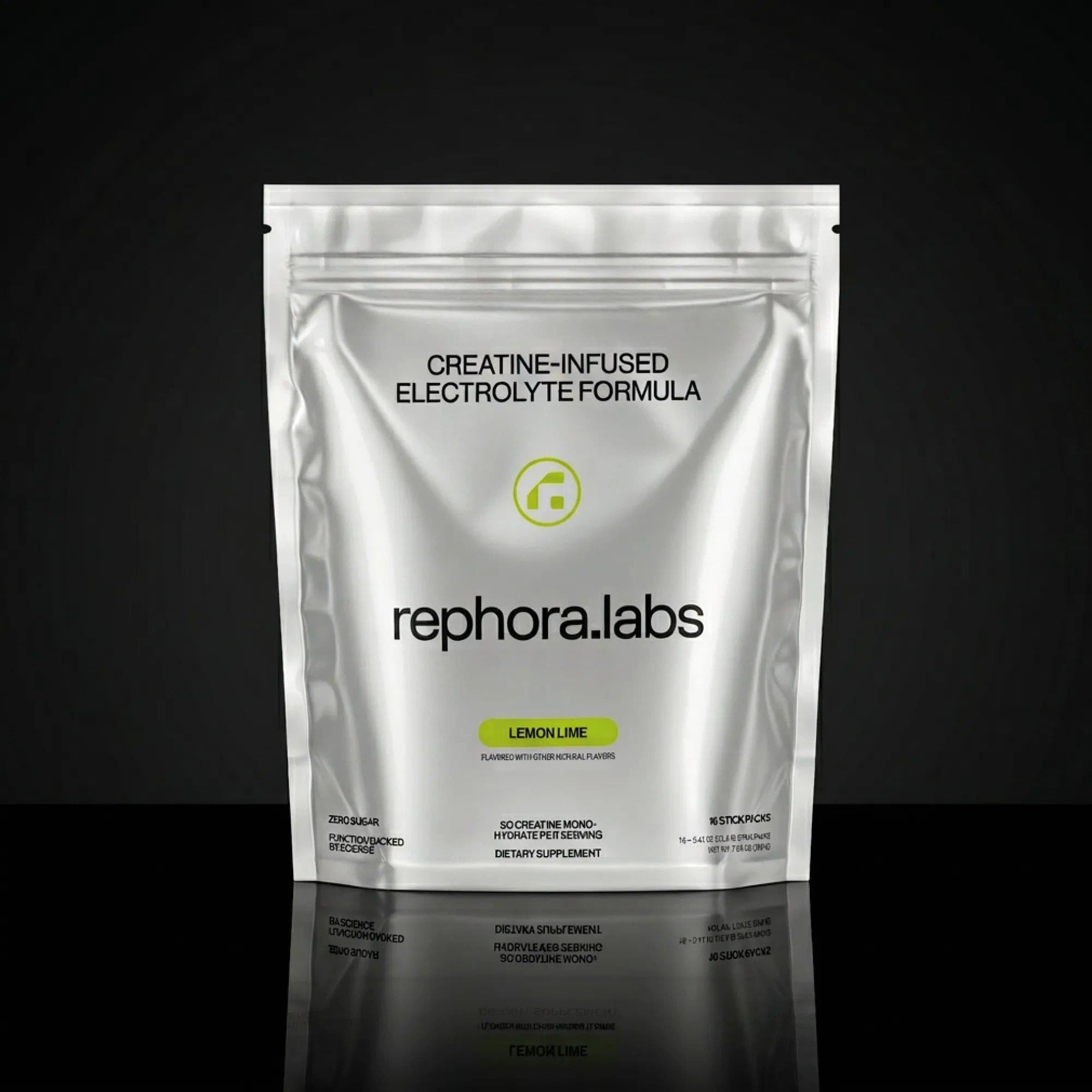
Shop Rephora Lemon Lime on the brand site, or start at rephoralabs.com.
We recommend Rephora’s sticks as an example of dry monohydrate delivered in a single-serve packet, mixed and drunk promptly. They are not a gummy. The chemistry argument on this page is about the matrix. A sealed stick is still the dry crystal. A candy gel is not.
What the brand site states, and what we are repeating as brand facts rather than as a new trial:
- 5 g creatine monohydrate per stick, plus the brand’s IonGate electrolyte blend (840 mg sodium, 1,519 mg chloride, 250 mg potassium, 75 mg magnesium).
- Zero sugar. Mix in about 16 oz of water and drink it.
- Flavors listed: Lemon Lime at $34.99; Berry Lemonade is the same formula in a different flavor and has shown as sold out on the site.
- The brand claims third-party testing and Made in USA. Those are manufacturer statements. We are not publishing a Rephora HPLC certificate on this page.
- The brand says no loading phase is required for its 5 g/day habit framing. That matches the ordinary daily range already cited above. It is not a Rephora-specific outcome study.
We are not restating the site’s performance percentages (+body water, +working memory, and the rest) as Nutritionist Guide findings. Those citations, as the brand uses them, are general creatine literature. They do not make a stick outperform a tub, and they do not rescue a gummy.
Use one stick when you will actually drink it. Do not pre-mix a day’s worth and leave it. People with kidney disease, people on clinician-directed fluid or sodium or protein limits, and anyone told to avoid creatine should not start a stick because a sister brand sells one. Electrolyte milligrams are part of the serving; they are not invisible.
Creatine is not a vitamin. This page is not a prescription.
The short version
The powder, and a dry stick of the same crystal, are objects the stability papers treat as durable until you add water. The gummy is a wet, acidic, often heated candy that those same papers would predict will leak creatine into creatinine. Independent bottles keep failing HPLC. We do not recommend the gummies. Buy dry monohydrate, mix it, drink it, or skip creatine. Do not pay a premium to eat the unstable version. Our labeled sister-brand example of the dry form is Rephora Labs.
Nutritionist Guide is not your clinician. Do not start creatine if you have known kidney disease or a clinician has told you to avoid it. Marketplace tests describe specific lots. They are not a license to assume every future gummy is empty, and they are not a reason to trust the format.
Bibliography
Sources and references
Linked citations go to the publisher, PubMed, PMC, or the news report. Marketplace assays are industry testing, not randomized trials.
- 01Uzzan M, Nechrebeki J, Zhou P, Labuza TP. Effect of water activity and temperature on the stability of creatine during storage. Drug Dev Ind Pharm. 2009;35(8):1003-1008. PMID 19635041. PubMed
- 02Jäger R, Purpura M, Shao A, Inoue T, Kreider RB. Analysis of the efficacy, safety, and regulatory status of novel forms of creatine. Amino Acids. 2011;40(5):1369-1383. PMC3080578
- 03Kreider RB, Jäger R, Purpura M. Bioavailability, efficacy, safety, and regulatory status of creatine and related compounds: a critical review. Nutrients. 2022;14(5):1035. PMC8912867
- 04Edgar G, Shiver HE. The equilibrium of the reaction between creatine and creatinine in aqueous solution, and the effect of hydrogen ion. J Am Chem Soc. 1925. Historical background on the creatine–creatinine equilibrium, as later summarized with Dash, Ganguly, Howard, and Harris in Jäger et al.
- 05Montemarano M. NOW reports widespread failings in creatine gummy tests. Nutraceuticals World. 29 February 2024. Industry HPLC round (not an RCT).
- 06Knibbs K. Those creatine gummies you bought online might not contain any creatine. Wired. 18 June 2025. Reports SuppCo’s independent lab tests of Amazon gummies (not an RCT).
- 07Rephora Labs. Product page at rephoralabs.com/products/rephore-lemon-lime-flavor. Brand-stated stick facts: 5 g creatine monohydrate plus IonGate electrolytes (840 mg sodium, 1,519 mg chloride, 250 mg potassium, 75 mg magnesium), zero sugar, mix in about 16 oz water; Lemon Lime listed at $34.99; third-party tested and Made in USA claims; no loading phase in the brand’s 5 g/day framing. Not an independent assay.