Omega-3 fish oil: EPA, DHA, and what actually matters
Score the EPA and DHA milligrams, not the fish-oil milligrams. Food-first oily fish is the AHA default. Flax is a weak converter. Drugstore fish oil is not Vascepa. Freshness and testing beat purity theater.
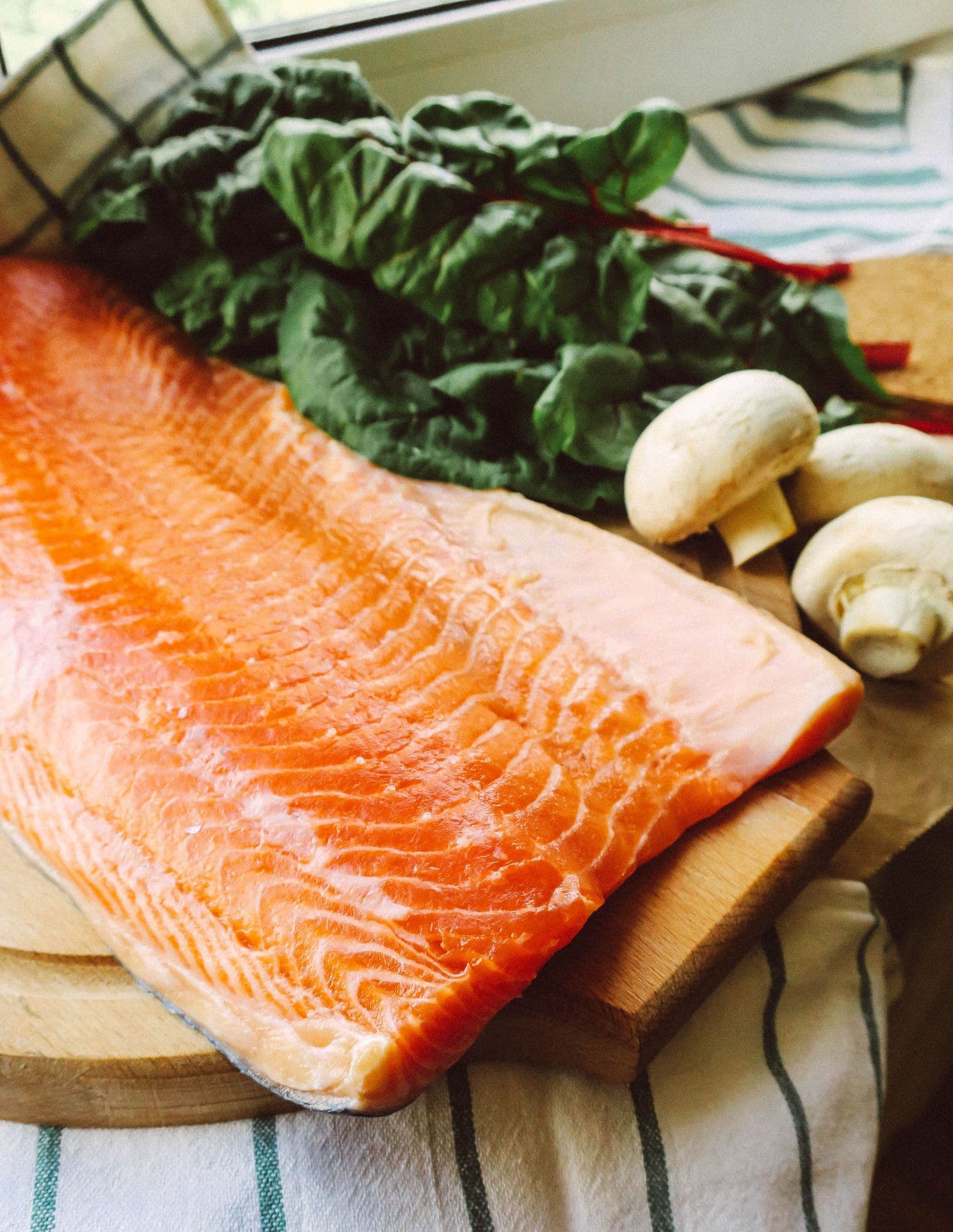
The aisle sells “1,000 mg of omega-3,” krill as a smarter oil, flax as a vegan fish, and REDUCE-IT as a reason to swallow a drugstore bottle. Those are four different claims. Most of them fail a label check.
NIH’s Office of Dietary Supplements is blunter. The fats that raise EPA and DHA status are EPA and DHA. The body converts plant ALA poorly. A typical softgel is about 1,000 mg of fish oil with roughly 180 mg EPA and 120 mg DHA. Seafood two times a week is an AHA advisory. Routine over-the-counter fish oil for people without high cardiovascular risk is not.
This page compares food, forms, and the trials people keep misquoting. It is not a Best of rank and not a brand league table. The site’s score chips are Excellent, Fair, or Poor. Where the brief says Good, the table below keeps that word. Good is not a fourth chip.
How we evaluated this
We are reading the ODS omega-3 fact sheets, three AHA science advisories, the four outcome trials everyone cites (VITAL, ASCEND, REDUCE-IT, STRENGTH), two aggregates (Cochrane 2020, Hu 2019), and a short bioavailability file (Dyerberg, Arterburn, Salem/Kuratko, Yurko-Mauro). We did not assay bottles. We did not invent a krill-versus-fish-oil heart-outcomes RCT that the literature does not have.
Scores weigh three things: how well the option raises EPA/DHA status, how strong the cardiovascular evidence is in the setting people actually buy, and practical quality or value. Excellent is a clear win on that dimension with human data. Good is a reasonable default. Fair is mixed or thin. Poor is the wrong tool, or the claim is doing work the trials will not.
Serum or plasma phospholipid EPA+DHA swings with recent meals. An omega-3 index on red cells reflects roughly 120 days. ODS notes Western values often sit around 3% to 5% of red-cell fatty acids. Japan runs about twice that with high fish intake. A fingerstick after yesterday’s salmon is not a certificate.
The label trap
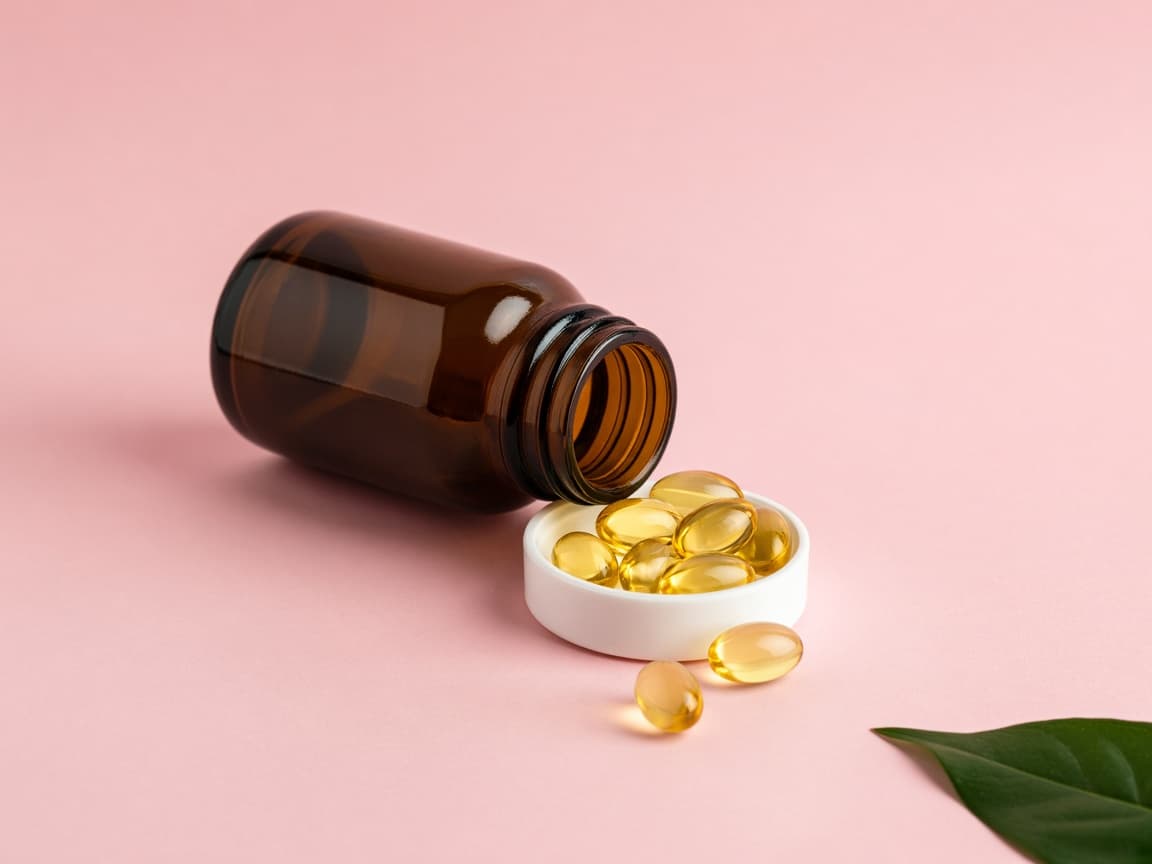
A “1,000 mg fish oil” softgel is an oil weight until the EPA and DHA lines say otherwise. The glyceride backbone, the flavor, and the filler are not the dose.

ODS’s typical example is about 180 mg EPA + 120 mg DHA per 1,000 mg of oil. Concentrates list more. Bargain bottles often list about that much, or less, once you multiply by “servings.” FDA’s 2004 qualified coronary-heart-disease claim, as ODS cites it, is “supportive but not conclusive.” In that claim context, supplement labels should not recommend more than 2 g/day of EPA+DHA. Separately, FDA has concluded that supplements providing no more than about 5 g/day of combined EPA+DHA are acceptable when used as directed. That is a safety ceiling. It is not a consumer tip to take 5 g.
Read EPA mg. Read DHA mg. Add them. Multiply by capsules per serving, then servings per day. “Pharmaceutical grade,” “pharmaceutical strength,” and “used in clinical trials” on an Amazon listing are adjectives until a lot-specific COA or a prescription label shows up.
Scores by option and job
The chips above are the claims we will defend on the three-point scale. This table keeps the brief’s full wording, including Good.
| Option | Raising EPA/DHA status | CVD evidence (OTC context) | Triglyceride lowering | Vegan | Oxidation / quality variance | Value |
|---|---|---|---|---|---|---|
| Fatty fish 1–2×/week (food) | Excellent | Good–Excellent (observational + AHA seafood advisory) | Fair–Good (diet pattern; dose varies) | Poor (unless algae or seafood substitutes) | Low (fresh food; different risk profile) | Excellent |
| Fish oil (TG / rTG), tested | Excellent | Fair (~1 g OTC often null on hard endpoints; secondary-prevention niche) | Good (dose-dependent; Rx doses stronger) | Poor | Fair–Good if fresh + COA/IFOS; high if untested | Good |
| Fish oil (ethyl ester), tested | Good–Excellent (slightly lower acute BA vs TG in some studies; still raises status) | Fair (same OTC evidence basket) | Good | Poor | Fair–Good if tested | Good |
| “High EPA” OTC concentrates | Excellent (for EPA status) | Fair (OTC ≠ REDUCE-IT IPE) | Good–Excellent at higher grams | Poor | Fair–Good | Fair–Good (cost per gram) |
| Rx icosapent ethyl (Vascepa) | Excellent (4 g EPA) | Excellent as a prescription drug in REDUCE-IT-eligible patients. Not OTC. | Excellent (Rx-dose class) | Poor | Controlled pharma supply | N/A (Rx) |
| Rx omega-3 CA EPA+DHA (Epanova class) | Excellent | Poor–Fair for hard CVD outcomes (STRENGTH null) | Excellent (Rx-dose TG lowering) | Poor | Controlled | N/A (Rx) |
| Krill oil | Good (raises EPA/DHA; superiority claims overstated) | Fair / thin outcome data | Fair–Good (usually lower absolute EPA+DHA per capsule) | Poor | Fair (marketing ahead of head-to-heads) | Fair–Poor ($ per mg EPA+DHA) |
| Algae oil (DHA ± EPA) | Excellent for DHA; Good–Excellent if the bottle includes EPA | Fair (status + surrogates; limited large CVD outcome RCTs as algae per se) | Fair–Good | Excellent | Good (plant/microbial; still oxidizable) | Fair–Good |
| Cod liver oil | Good (provides EPA/DHA) | Fair | Fair–Good | Poor | Fair + vitamin A/D dose caveats | Fair |
| ALA-only (flax/chia oil) | Fair / Poor for EPA/DHA status | Fair for ALA-as-ALA; Poor as an EPA/DHA proxy | Poor–Fair | Excellent (plant) | Low–Fair | Excellent (food oils) |
Rx rows exist so you can read a headline. They are not a license to swallow 13 drugstore capsules and call it REDUCE-IT at home.
EPA, DHA, ALA: three fats, one aisle
ALA (alpha-linolenic acid, 18 carbons) is the essential plant omega-3. Adult adequate intakes, from ODS: 1.6 g/day for men, 1.1 g/day for women (1.4 g in pregnancy, 1.3 g in lactation). There is no separate DRI RDA for EPA or DHA.
EPA (20 carbons) and DHA (22 carbons) are the long-chain marine fats. The liver can elongate and desaturate ALA toward EPA and then DHA. It does that badly. ODS: conversion is very limited, with reported rates under 15%, and eating EPA and DHA directly is the practical way to raise levels. Tracer work finds sex differences. Those differences do not rescue flax-as-fish.
Dietary fats, including omega-3s, are generally absorbed well (ODS cites about 95%, similar to other fats). The conversion bottleneck is downstream of the gut.

ODS food examples for ALA: flaxseed oil, 1 tablespoon, about 7.26 g; chia, 1 ounce, about 5.06 g; walnuts, 1 ounce, about 2.57 g. Those are excellent foods. They are still weak EPA/DHA raisers. Score ALA-only Fair if the job is “eat plants.” Score it Poor if the job is “match a salmon dinner’s EPA and DHA.”
Food first, then the AHA seafood advisory
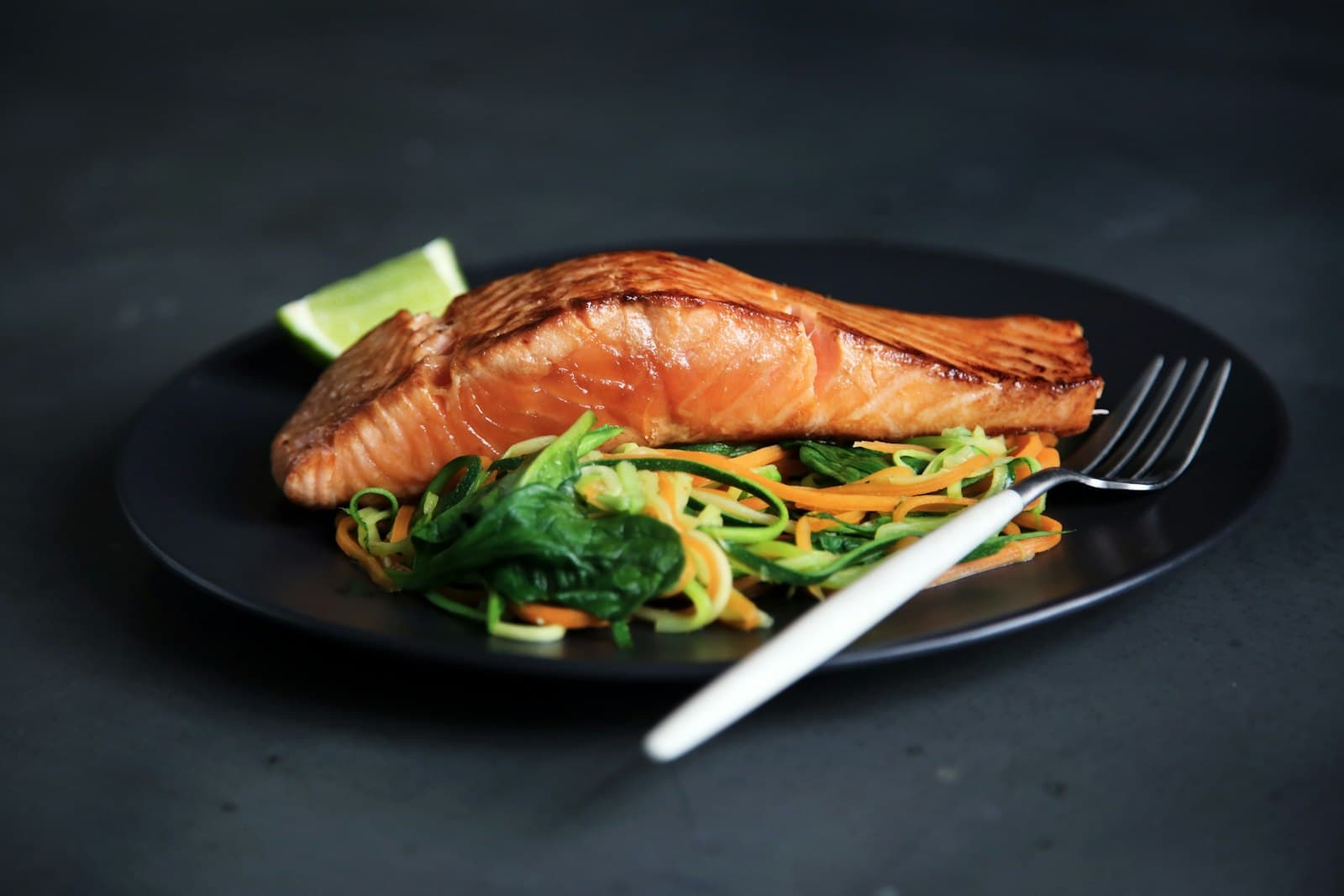
Rimm and colleagues, Circulation 2018: include 1 to 2 seafood meals per week to reduce risk of congestive heart failure, coronary heart disease, ischemic stroke, and sudden cardiac death, especially when seafood replaces less healthy foods. That lines up with Dietary Guidelines framing around about 8 ounces of seafood a week.
Siscovick and colleagues, Circulation 2017 (PMID 28289069): omega-3 supplements are reasonable for people with prevalent CHD such as a recent heart attack, under a clinician, at about 1 g/day EPA+DHA, preferably from oily fish. The same advisory does not recommend supplements for routine primary prevention in people without high cardiovascular risk. VITAL published after that advisory. VITAL did not turn the aisle into a prevention drug.
EPA and DHA in 3 ounces cooked, USDA-based via ODS Table 2:
| Food (3 oz cooked unless noted) | DHA | EPA |
|---|---|---|
| Salmon, Atlantic, farmed | 1.24 g | 0.59 g |
| Salmon, Atlantic, wild | 1.22 g | 0.35 g |
| Herring, Atlantic | 0.94 g | 0.77 g |
| Sardines, canned in tomato sauce, drained | 0.74 g | 0.45 g |
| Mackerel, Atlantic | 0.59 g | 0.43 g |
| Light tuna, canned in water | 0.17 g | 0.02 g |
One farmed-salmon dinner is on the order of 1.8 g EPA+DHA. A typical 300 mg softgel is a snack next to that plate. Light tuna is not the same food as sardines. Species matters more than the word “fish” on a menu.
For pregnancy, FDA/EPA and Dietary Guidelines steer toward 8 to 12 ounces a week of lower-mercury fish. That is a food-choice problem. It is not a reason to assume a distilled supplement is a stand-in for prenatal counseling. Omega-3 supplements for preterm-birth risk sit with a clinician and a different evidence file. We are not expanding this page into obstetrics.
What the big trials actually showed

VITAL (Manson 2019, PMID 30415637). 25,871 adults, men 50 and older, women 55 and older, no prior heart attack, stroke, or cancer. 1 g/day of a Lovaza-type capsule (460 mg EPA + 380 mg DHA), with or without 2,000 IU vitamin D, median 5.3 years. Primary MACE (heart attack, stroke, cardiovascular death): not significantly reduced. Secondary analyses saw a lower total MI (about 28%), with larger signals among people eating under 1.5 fish servings a week and in African American participants, plus reductions in fatal MI, total CHD, and PCI in some looks. Cancer was null on its primary. Editorial use: an OTC-like dose in generally healthy older adults is not a blanket primary-prevention win. A low-fish signal is hypothesis-generating. It is not a slogan.
ASCEND (Bowman 2018, PMID 30146932). 15,480 adults 40 and older with diabetes and no evident CVD. The same 1 g capsule, mean 7.4 years. Serious vascular events: no significant reduction. Cardiovascular death fell 19% on a secondary analysis. Do not market the secondary and bury the composite.
REDUCE-IT (Bhatt 2019, PMID 30415628). 8,179 statin-treated adults with triglycerides 135 to 499 mg/dL and LDL-C 41 to 100 mg/dL, plus CVD or diabetes plus risk. Icosapent ethyl 2 g twice daily (4 g/day) versus mineral oil, median 4.9 years. Primary composite: 17.2% versus 22.0%, HR 0.75 (95% CI 0.68 to 0.83). Cardiovascular death HR 0.80, with reductions down the hierarchy in MI, stroke, revascularization, and unstable angina. Safety: hospitalization for atrial fibrillation or flutter 3.1% versus 2.1% (P=0.004). Serious bleeding 2.7% versus 2.1% (P=0.06). This is prescription EPA ethyl ester, purified, high dose, specific population. It is not interchangeable with a 300 mg softgel.
STRENGTH (Nicholls 2020, PMID 33190147). High cardiovascular risk plus high triglycerides on statins. Omega-3 carboxylic acid (EPA+DHA) 4 g/day versus corn oil. Primary HR 0.99 (95% CI 0.90 to 1.09), P=0.84. Stopped early for futility (median about 3.5 years of treatment). More gastrointestinal adverse events. Atrial fibrillation higher with the omega-3 carboxylic acid, as ODS and the trial report. Same nominal “4 g omega-3” class. Different formulation. Neutral corn-oil placebo. Null.
The placebo argument, reported not adjudicated. ODS notes mineral oil is not a fully neutral placebo (lipids, inflammation, possible interference with statin absorption). REDUCE-IT’s gap might shrink against a more neutral oil. Commentary in Circulation and the European Heart Journal keeps that debate open. STRENGTH’s null with corn oil is the other pole. We will not declare EPA-only biology proven, and we will not declare REDUCE-IT an artifact. Both sentences belong in the same paragraph.
Aggregates, used as ballast. Hu, Hu, and Manson, JAHA 2019 (PMID 31567003): 13 RCTs, about 127,000 people, including ASCEND, VITAL, and REDUCE-IT. Long-chain omega-3 associated with lower MI, CHD death, total CHD, CVD death, and total CVD, dose-related; stroke null overall. Abdelhamid and colleagues, Cochrane 2020 (PMID 32114706): long-chain omega-3 lowers triglycerides about 15% in the pooled file; little or no effect on all-cause mortality and most CVD composites. Use Cochrane to temper a single positive trial. Use Hu to temper a single null. Use neither as a permission slip for a megadose you invented.
JELIS (open-label 1.8 g/day EPA plus a statin in Japanese hypercholesterolemia) is earlier color. ORIGIN, Alpha Omega, and Risk & Prevention were largely null at lower or specific doses. They are context. They are not this page’s centerpiece.
Triglycerides are a dose story
Skulas-Ray and colleagues, AHA 2019 (PMID 31422671): prescription omega-3 at 4 g/day, EPA+DHA or EPA-only, lowers triglycerides about 20 to 30%, alone or with other lipid drugs. Over-the-counter oils are not FDA-reviewed as drugs for that indication. Keep the bright line.
ODS cites Mozaffarian and Wu on a shallower slope: each extra 1 g/day of long-chain omega-3 associated with about −5.9 mg/dL triglycerides, with a larger effect at higher baseline triglycerides. Cochrane’s pooled ~15% triglyceride reduction sits in the same neighborhood as mixed doses, not as a 4 g prescription claim.
OTC can lower triglycerides if you actually swallow enough EPA+DHA. A 300 mg capsule is not 4 g. Getting to prescription-class grams from retail softgels is a handful-of-pills problem and a clinician conversation, especially when triglycerides are high enough to matter. Do not self-dose 4 g of drugstore oil to “do REDUCE-IT at home.”
Form cards: TG, EE, rTG, krill, algae, cod liver

ODS lists the chemical forms you will see on a COA: natural triglycerides, re-esterified triglycerides, ethyl esters, free fatty acids, and phospholipids. rTG, natural TG, and free fatty acids have somewhat higher bioavailability than ethyl esters. All of those forms still raise plasma EPA and DHA when the milligrams are real.
Dyerberg 2010 (PMID 20638827). 72 people, about 3.3 g/day EPA+DHA for two weeks. Relative bioavailability versus natural fish-oil triglycerides: rTG 124%, free fatty acids 91% (not significantly different from natural TG), ethyl esters 73%. Ethyl esters can be modestly worse in the acute window, especially without a fat-containing meal (the older Lawson and Hughes observation). They are not decorative. Take EE products with food. Compare EPA+DHA milligrams delivered. Do not tell readers ethyl esters “don’t work.”
Krill. Phospholipid-heavy. Some papers suggest a bioavailability edge. Others do not. ODS cites both camps. Salem and Kuratko 2014 (PMID 25164632) reexamined the “krill wins” file and found unequal EPA/DHA doses, odd comparators, and other design problems. Yurko-Mauro 2015 (PMID 26328782): four-week randomized, double-blind, dose-matched fish oil versus krill, similar plasma EPA and DHA. Score krill Good for raising status, Fair for outcomes, Fair to Poor for dollars per milligram of EPA+DHA. Do not claim proven superior heart outcomes.
Algae. Usually triglyceride form. Typical products, per ODS, run about 100 to 300 mg DHA; some add EPA. Arterburn 2008 (PMID 18589030): algal-oil DHA capsules were nutritionally equivalent to cooked salmon as DHA sources (plasma phospholipid and red-cell DHA). That is the vegan path. It is Excellent for DHA status and for vegan suitability. Hard cardiovascular outcomes in the megatrials came from fish, fish oil, and IPE, not from algae-branded outcome trials. Many vegan bottles are DHA-forward. If you want EPA, the label has to list EPA. Do not assume every green capsule matches a fish-oil EPA line.
Cod liver oil. Provides long-chain omega-3s plus vitamins A and D. Excess preformed vitamin A is the extra risk, especially in pregnancy. Prefer a standard fish or algae oil unless you are counting A and D on purpose. The vitamin D guide is about testing and dose honesty, not a secret omega-3 synergy. We will not invent one.
Oxidation, GOED, and “pharmaceutical grade”
Fish oil goes rancid. That is chemistry, not a conspiracy. Marketing prefers “purity” and “mercury-free,” which processed oils generally are (ODS: methylmercury is removed during purification; supplements have not been found to carry that contaminant in the testing literature ODS cites). Freshness is the under-discussed half.
GOED Voluntary Monograph, version 7 (1 March 2019), for applicable EPA/DHA oils:
- Peroxide value ≤ 5 meq/kg
- p-Anisidine value ≤ 20
- TOTOX ≤ 26, where TOTOX = (2 × PV) + p-AV
p-AV and TOTOX do not apply to flavored oils, because flavor wrecks the p-anisidine method. GOED also sets contaminant ceilings, including mercury below 0.1 mg/kg. Purity and freshness are both real. They are not the same sticker.
IFOS (Nutrasource) publishes consumer lot reports using the same family of oxidation limits, plus content versus label and contaminants. A lot-specific IFOS report or an equivalent COA is Good practice. It is not a clinical-benefit guarantee. A viral peroxide “exposé” of one grocery shelf is not prevalence data. We will not launder one blog test into a national rancidity rate.
Practical checks: a paint-thinner smell or aggressive fishy burps can mean the oil is tired. Sensory checks are imperfect. Store as the label says (cool, dark; refrigerate liquids after opening when told). Buy bottles you will finish.
How to read a label
- Find EPA (mg) and DHA (mg) per serving. Add them.
- Read servings per capsule and capsules per day. A “2 softgels” serving doubles the front-of-bottle poetry.
- Ignore “1,000 mg fish oil,” “1,200 mg omega-3 blend,” and “pharmaceutical grade” until those milligrams appear.
- Form (TG, rTG, EE, phospholipid) is a footnote. Take EE with food. Do not pay a 3× premium for a form story if the EPA+DHA grams are smaller.
- “High EPA” OTC concentrates raise EPA status. They are still not icosapent ethyl, not 4 g, and not REDUCE-IT. Optimal EPA:DHA ratios for general consumers are unsettled. We will not import a drug trial onto a 600 mg bottle.
- Third-party testing: USP, NSF, IFOS, or a dated COA with PV / p-AV / TOTOX and EPA+DHA assay. Lot numbers beat adjectives.
Label literacy next door lives in magnesium glycinate vs citrate vs oxide. Format skepticism lives in why we do not recommend creatine gummies and creatine loading versus 5 g a day. Those pages are not omega-3 trials.
Safety
Mild effects are ordinary: fishy taste or breath, heartburn, nausea, loose stool, headache, sweat that smells like the bottle.
Bleeding. High doses can increase bleeding time. IOM flagged that window in the 2 to 15 g/day range. Clinically dramatic bleeding is uncommon in reviews, but it is not a dare. Warfarin and other anticoagulants: most data around 3 to 6 g/day of fish oil do not show a meaningful INR change; ODS still says monitor if you combine them. Prescription omega-3 labels make the same point. REDUCE-IT’s serious-bleeding difference was 2.7% versus 2.1% (P=0.06): numerically higher, not a slam-dunk hemorrhage epidemic, not permission to ignore the combination.
Atrial fibrillation. Two large high-dose trials in people with CVD or high CVD risk found a modest increase in AF or flutter at 4 g/day (REDUCE-IT hospitalizations 3.1% vs 2.1%; STRENGTH also saw more AF with omega-3 carboxylic acid). That signal is why “more grams is more heart protection” is a poor consumer heuristic.
Allergy. Fish or shellfish allergy can make fish oil a bad idea. Algae is the usual alternative path. Still read excipients.
Mercury and contaminants. Processed omega-3 supplements have not been found to contain methylmercury in the literature ODS cites, because purification removes it. Food is different. Follow FDA/EPA lower-mercury choices when the eater is pregnant or becoming pregnant. A distilled capsule does not wash a high-mercury steak.
Cod liver oil again: count the vitamin A. Pregnancy has a preformed-vitamin-A problem that a salmon-oil capsule does not share.
Upper intake. IOM did not set a UL for omega-3s. EFSA: long-term combined EPA+DHA up to about 5 g/day appears acceptable for bleeding, immune, glucose, and lipid-peroxidation concerns. FDA: supplements providing no more than 5 g/day EPA+DHA, used as directed. Stay under that unless a clinician is running a triglyceride protocol.
Who might consider a supplement, and who should not expect a miracle
Reasonable to discuss
- You eat little or no oily fish, and you want EPA/DHA status rather than a prevention slogan. Food first still wins if you can eat the fish.
- You are vegan or vegetarian and want DHA, with or without EPA. Buy algae. Read both lines.
- A clinician is directing about 1 g/day EPA+DHA after recent CHD, matching the 2017 AHA supplement advisory.
- A clinician is directing prescription 4 g/day IPE or another Rx omega-3 for high triglycerides, or IPE for a REDUCE-IT-like label. That is a prescription. It is not this website.
Do not expect
- An OTC bottle at 300 to 1,000 mg EPA+DHA to reproduce REDUCE-IT.
- Flax oil to raise EPA and DHA the way salmon does.
- Krill to outperform fish oil on heart attacks.
- “Pharmaceutical grade” to mean Vascepa.
- A primary-prevention miracle in a low-risk person who already eats fish. Absence of benefit in VITAL and ASCEND is not proof of harm. It is also not a reason to add a third bottle to the cabinet.
If you want the fat-quality argument that still lives in the kitchen, the saturated fat and heart-disease guide is about replacement fats and LDL, not a capsule.
Methodology
CR-style scores here are status efficacy + evidence strength + practical quality or value. They are not brand awards. We did not buy and peroxide-test a store shelf. We did not crown a Best of omega-3. We will not. The chips refuse Good because the site only ships three. The table keeps Good where the brief earned it.
Open uncertainties we will not close for traffic: whether REDUCE-IT’s benefit is EPA-only biology, dose, population, formulation, mineral-oil artifact, or some mix; how often retail lots fail GOED oxidation limits; which EPA:DHA ratio a healthy omnivore should target; whether every new algae oil with EPA matches fish-oil EPA. Those are research questions. They are not Amazon bullets.
The short version
Eat oily fish once or twice a week if you eat fish. If you do not, algae oil with DHA, and EPA if you want EPA.
If you buy a bottle, add EPA mg to DHA mg. Ignore the fish-oil milligrams. Prefer a tested lot. Take ethyl esters with food. Refrigerate liquids when the label says so.
Do not turn REDUCE-IT into a Costco habit. Do not turn STRENGTH into “omega-3s are worthless.” Do not turn flax into salmon. Do not turn krill into a clinical upgrade.
Nutritionist Guide is not your clinician. This page is not a dose table for high triglycerides, atrial fibrillation, anticoagulation, fish allergy, or pregnancy. Prescription icosapent ethyl is a drug. A softgel is a supplement. Those words are not synonyms.
Bibliography
Sources and references
Linked citations go to the publisher, PubMed, PMC, or the news report. Marketplace assays are industry testing, not randomized trials.
- 01National Institutes of Health, Office of Dietary Supplements. Omega-3 Fatty Acids, Health Professional Fact Sheet. ALA conversion very limited, reported rates <15%; adult AI for ALA 1.6 g/day (men) and 1.1 g/day (women); typical softgel ~1,000 mg fish oil with roughly 180 mg EPA + 120 mg DHA; forms (TG, EE, FFA, rTG, phospholipid); krill mixed bioavailability; algal DHA ≈ cooked salmon (Arterburn); CVD narrative covering VITAL, ASCEND, REDUCE-IT, STRENGTH; AHA positions summarized; safety including bleeding and AFib at 4 g/day in high-risk trials; mercury removed in processing; FDA supplements providing no more than ~5 g/day EPA+DHA when used as recommended.
- 02National Institutes of Health, Office of Dietary Supplements. Omega-3 Fatty Acids, Consumer Fact Sheet. Updated 18 July 2022. Plain-language AHA seafood and CHD guidance; mild side effects; warfarin interaction note; FDA ≤5 g/day EPA+DHA from supplements.
- 03Rimm EB, Appel LJ, Chiuve SE, et al. Seafood long-chain n-3 polyunsaturated fatty acids and cardiovascular disease: a science advisory from the American Heart Association. Circulation. 2018;138:e35-e47. DOI 10.1161/CIR.0000000000000574. Include 1–2 seafood meals per week to reduce risk of heart failure, CHD, ischemic stroke, and sudden cardiac death, especially when seafood replaces less healthy foods.
- 04Siscovick DS, Barringer TA, Fretts AM, et al. Omega-3 polyunsaturated fatty acid (fish oil) supplementation and the prevention of clinical cardiovascular disease: a science advisory from the American Heart Association. Circulation. 2017;135:e867-e884. PMID 28289069. Supplements reasonable for prevalent CHD such as recent MI under clinician direction. Not recommended for routine primary prevention in people without high CVD risk.
- 05Skulas-Ray AC, Wilson PWF, Harris WS, et al. Omega-3 fatty acids for the management of hypertriglyceridemia: a science advisory from the American Heart Association. Circulation. 2019;140:e673-e691. PMID 31422671. Prescription n-3 fatty acids at 4 g/day (EPA+DHA or EPA-only) lower triglycerides approximately 20–30%. OTC supplements are not FDA-reviewed as drugs for this indication.
- 06Bhatt DL, Steg PG, Miller M, et al. Cardiovascular risk reduction with icosapent ethyl for hypertriglyceridemia. N Engl J Med. 2019;380:11-22. PMID 30415628. REDUCE-IT: IPE 4 g/day vs mineral oil; primary composite 17.2% vs 22.0%; HR 0.75 (95% CI 0.68–0.83). Hospitalization for AF/flutter 3.1% vs 2.1% (P=0.004). Serious bleeding 2.7% vs 2.1% (P=0.06).
- 07Nicholls SJ, Lincoff AM, Garcia M, et al. Effect of high-dose omega-3 fatty acids vs corn oil on major adverse cardiovascular events in patients at high cardiovascular risk: the STRENGTH randomized clinical trial. JAMA. 2020;324:2268-2280. PMID 33190147. Omega-3 carboxylic acid 4 g/day vs corn oil; primary HR 0.99 (95% CI 0.90–1.09); stopped early for futility. Atrial fibrillation higher with omega-3 CA. PMC7667577
- 08Manson JE, Cook NR, Lee IM, et al. Marine n-3 fatty acids and prevention of cardiovascular disease and cancer. N Engl J Med. 2019;380:23-32. PMID 30415637. VITAL: n=25,871; 1 g/day (460 mg EPA + 380 mg DHA); median 5.3 years. Primary MACE not significantly reduced. Secondary signals included lower total MI, larger in some low-fish and African American subgroups.
- 09ASCEND Study Collaborative Group; Bowman L, Mafham M, Wallendszus K, et al. Effects of n-3 fatty acid supplements in diabetes mellitus. N Engl J Med. 2018;379:1540-1550. PMID 30146932. n=15,480 adults with diabetes and no evident CVD; same 1 g/day capsule; mean 7.4 years. Serious vascular events: no significant reduction. Cardiovascular death −19% (secondary).
- 10Abdelhamid AS, Brown TJ, Brainard JS, et al. Omega-3 fatty acids for the primary and secondary prevention of cardiovascular disease. Cochrane Database Syst Rev. 2020;3:CD003177. PMID 32114706. Long-chain omega-3 reduces triglycerides about 15% in aggregate; little or no effect on all-cause mortality and most CVD composites.
- 11Hu Y, Hu FB, Manson JE. Marine omega-3 supplementation and cardiovascular disease: an updated meta-analysis of 13 randomized controlled trials involving 127 477 participants. J Am Heart Assoc. 2019;8:e013543. PMID 31567003. Includes ASCEND, VITAL, and REDUCE-IT. Dose-related CHD signals; stroke null overall.
- 12Dyerberg J, Madsen P, Møller JM, Aardestrup I, Schmidt EB. Bioavailability of marine n-3 fatty acid formulations. Prostaglandins Leukot Essent Fatty Acids. 2010;83:137-141. PMID 20638827. Relative bioavailability vs natural fish-oil triglycerides: re-esterified TG 124%, free fatty acids 91%, ethyl esters 73% (~3.3 g EPA+DHA/day × 2 weeks).
- 13Arterburn LM, Oken HA, Hall EB, Hamersley J, Kuratko CN, Hoffman JP. Algal-oil capsules and cooked salmon: nutritionally equivalent sources of docosahexaenoic acid. J Am Diet Assoc. 2008;108:1204-1209. PMID 18589030. Plasma phospholipid and erythrocyte DHA responses were equivalent.
- 14Salem N Jr, Kuratko CN. A reexamination of krill oil bioavailability studies. Lipids Health Dis. 2014;13:137. PMID 25164632. Many “krill superior” papers used unequal EPA/DHA doses, nonrepresentative fish-oil comparators, or other design limits.
- 15Yurko-Mauro K, Kralovec J, Bailey-Hall E, Smeberg V, Stark JG, Salem N Jr. Similar eicosapentaenoic acid and docosahexaenoic acid plasma levels achieved with fish oil or krill oil in a randomized double-blind four-week trial. Lipids Health Dis. 2015;14:99. PMID 26328782. Dose-matched 4-week RCT: similar plasma EPA and DHA.
- 16Global Organization for EPA and DHA Omega-3s. GOED Voluntary Monograph, version 7. Issue date 1 March 2019. Oxidation limits for applicable EPA/DHA oils: peroxide value ≤5 meq/kg; p-anisidine value ≤20; TOTOX ≤26, where TOTOX = (2 × PV) + p-AV. p-AV/TOTOX not applicable to flavored oils.