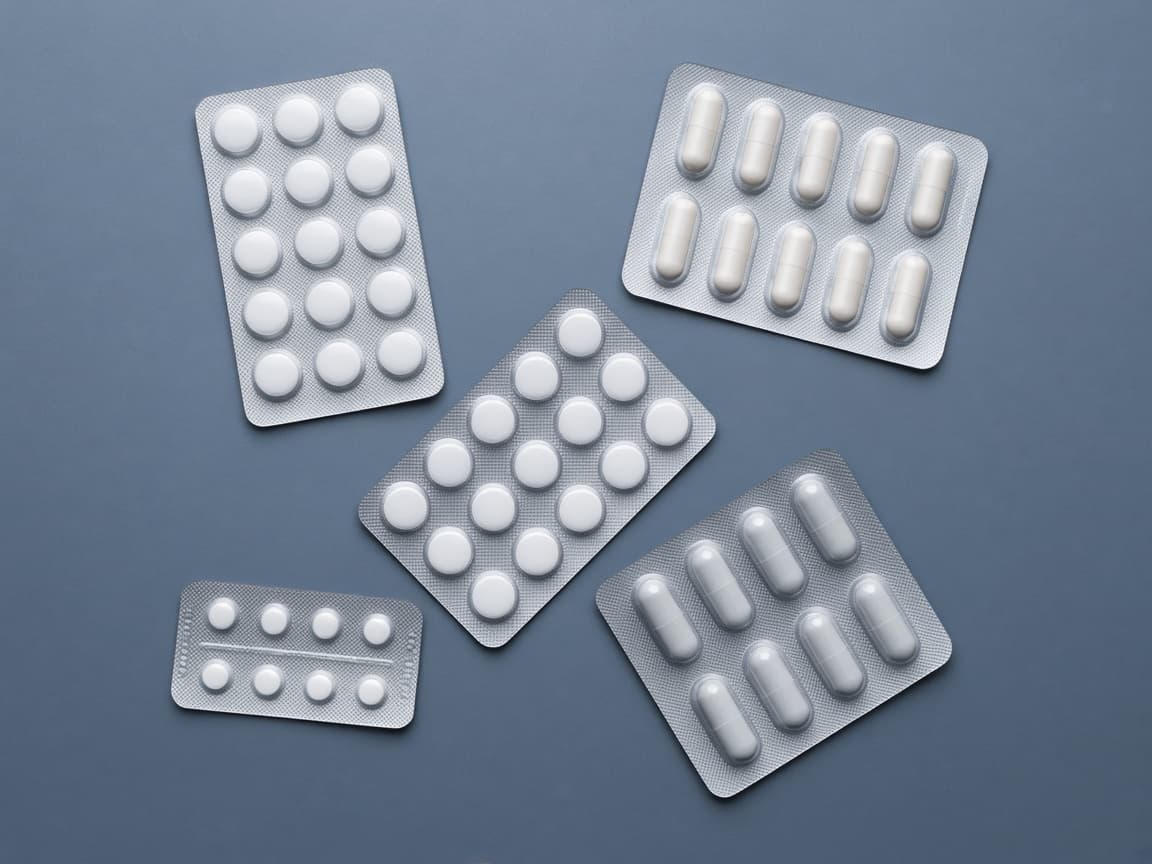
Magnesium glycinate vs citrate vs oxide: which form is actually better?
Form is a trade-off, not a magic best magnesium. Read elemental milligrams. Oxide is a cheap laxative salt. Citrate is the ordinary supplement default. Glycinate is often easier on the gut. Sleep and brain claims run ahead of form-specific trials. Food first. Adult supplemental UL is 350 mg a day.
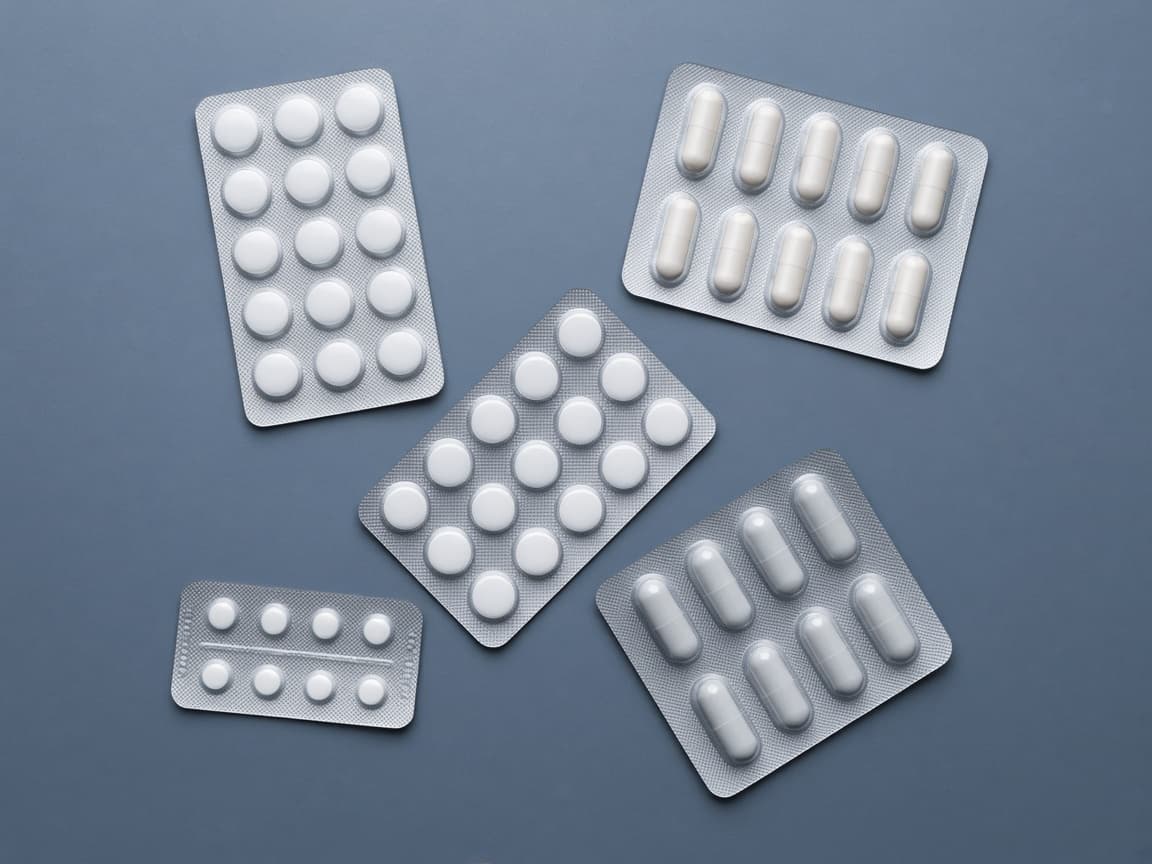
There is no best magnesium. There is a salt, a label, a gut, and a job.
The aisle sells glycinate as sleep, citrate as clean, oxide as cheap, and L-threonate as a brain upgrade. NIH’s Office of Dietary Supplements is blunter. Supplement Facts list elemental magnesium. Forms that dissolve well tend to absorb better. Aspartate, citrate, lactate, and chloride usually beat oxide and sulfate. Food still does the first job. The adult tolerable upper intake for supplemental magnesium is 350 mg a day, because unabsorbed salt pulls water into the bowel.
This page compares forms. It is not a Best of rank and not a brand league table. The site’s score chips are Excellent, Fair, or Poor. Where the evidence is a reasonable default rather than a clear win, the table below says Good. That word is the brief. It is not a fourth chip.
How we evaluated this
We are reading absorption papers, an ODS fact sheet updated 6 January 2026, and a short list of sleep, cramp, migraine, and Magtein trials. We did not assay bottles. We did not invent a glycinate-versus-citrate sleep RCT that the literature does not have.
Scores weigh three things: bioavailability literature, tolerance, and use-case fit. Excellent is a clear win on that dimension with human data. Good is a reasonable default. Fair is mixed or thin. Poor is the wrong tool, or the claim is weak.
Serum magnesium is a poor tissue-status marker. ODS is explicit about that. A consumer “before and after” fingerstick is not a repletion certificate.
The label trap
A “500 mg magnesium oxide” tablet is a salt weight until the elemental line says otherwise. Atomic magnesium is 24.305. The percentage is chemistry. Hydrate form changes the denominator. Read the elemental milligrams.

Approximate elemental magnesium by weight of the salt:
| Salt | Approx. elemental Mg | What that means on a shelf |
|---|---|---|
| Oxide (MgO) | about 60% | A lot of Mg per gram of powder; poorly absorbed |
| Carbonate | about 29% | Antacid-class |
| Chloride, anhydrous | about 25% | Hexahydrate drops to about 12% |
| Trimagnesium citrate | about 16% | The usual “citrate” |
| Malate | about 15–16% | Thin head-to-heads |
| Bisglycinate | about 14% | Chelate; larger pills for the same elemental mg |
| Lactate | about 12% | ODS “better absorbed” list |
| Epsom heptahydrate | about 10% | Bath salt, not a status protocol |
| L-threonate | about 8% | Gram-level Magtein servings for modest elemental Mg |
Those percentages are molecular-weight arithmetic, not an ODS table and not a promise your hydrate matches the row.
What the absorption studies actually show
Lindberg 1990. Oxide dissolves poorly. Citrate does not. After an oral load, the urinary magnesium increment is larger with citrate.
Walker 2003 (PMID 14596323). Double-blind, placebo-controlled, 46 people, 300 mg elemental magnesium a day for 60 days. Organic forms (citrate and an amino-acid chelate) beat oxide on 24-hour urine at day 60. Citrate had the highest mean serum magnesium after acute and chronic dosing. Oxide was not different from placebo on several markers. This is the strongest consumer-facing chronic comparison among common pills.
Firoz and Graber 2001 (PMID 11794633). Commercial US preparations. Oxide fractional absorption about 4%. Chloride, lactate, and aspartate were higher and similar to each other. Inorganic is not automatically worse. Oxide is.
Kappeler 2017. Crossover in 20 healthy men after a saturation design. Single 300 mg elemental doses. 24-hour urinary magnesium was higher with citrate than oxide (adjusted mean difference +0.565 mmol, 95% CI 0.212 to 0.918, p=0.0034). Serum magnesium was higher for citrate at 2 to 6 hours. Funded by Verla-Pharm, which sells a citrate product. The design is still useful. The funding is not invisible.
Schuette 1994 (PMID 7815675). Magnesium-26 labels in 12 people with ileal resection. Overall absorption: diglycinate 23.5%, oxide 22.8%. In the four poorest oxide absorbers, diglycinate did better (23.5% vs 11.8%) and was better tolerated. That is a niche gut paper. It is not a finding that glycinate always absorbs more in healthy adults.
Coudray 2005 (PMID 16548135). Ten salts in magnesium-depleted rats. Organic slightly above inorganic; gluconate highest. Animal ranking context. Not a human dose.
ODS summarizes the human file the way we will: dissolve well, absorb better; aspartate, citrate, lactate, chloride above oxide and sulfate.
Scores by form and job
The chips above are the claims we will defend on the three-point scale. This table keeps the brief’s full wording, including Good.
| Form | Raising Mg status | GI comfort | Use as laxative | Cognitive claims |
|---|---|---|---|---|
| Oxide | Fair / Poor | Poor | Excellent (intent) | Poor (N/A) |
| Citrate | Good | Fair | Good | Poor |
| Glycinate / bisglycinate | Good | Good–Excellent | Poor | Fair (marketing ahead of form-specific RCTs) |
| Chloride | Good | Fair | Fair–Good | Poor |
| Lactate | Good | Fair–Good | Fair | Poor |
| Malate | Good (limited head-to-heads) | Good (clinic talk; thin RCTs) | Poor–Fair | Poor |
| L-threonate (Magtein) | Fair (low % elemental; costly per mg) | Good | Poor | Fair (small, company-linked human data) |
| Sulfate (oral) | Fair / Poor | Poor | Good | Poor |
| Sulfate (Epsom topical) | Poor (transdermal evidence weak) | N/A (skin) | N/A | Poor |
| Carbonate | Fair | Fair | Fair | Poor |
Form by form
Oxide. Cheap. About 60% elemental by weight. Poorly absorbed. Often a laxative or an antacid. Excellent when loose stool is the point. Poor when the point is raising status. Carbonate and hydroxide sit in the same osmotic neighborhood.
Citrate. Better absorbed than oxide in Lindberg, Walker, and Kappeler. Can loosen stool. Good for general supplementation and for constipation. The default pill if you want elemental milligrams you will actually take up.
Glycinate / bisglycinate. Generally well tolerated. Good for raising status as a comfortable daily salt. Good to Excellent for GI comfort. Poor as a laxative. Fair for sleep or anxiety superiority: the ads got there first. Head-to-head glycinate versus citrate RCTs in healthy adults for status plus sleep are sparse. We will not invent them.
Chloride and lactate. On the ODS “better absorbed” list. Firoz put both above oxide and next to aspartate. Good for status. Gut comfort is Fair, sometimes Fair to Good for lactate.
Malate. About 15 to 16% elemental. “Energy” copy is mostly marketing and mechanism talk. Human form-specific trials are thin. Good for status only with that caveat.
L-threonate (Magtein). About 8% elemental. Products often deliver on the order of 70 to 150 mg elemental magnesium a day at gram-level servings. Liu 2016 (PMID 26519439): 12-week RCT, 44 completers, ages 50 to 70. Composite cognition improved versus placebo. Sleep (PSQI) and anxiety (HAM-A) did not beat placebo. Funded by Neurocentria, which co-designed the work and analyzed cognitive endpoints. Hausenblas 2024 (PMID 39252819) reported sleep and daytime-functioning gains with AIDP / Magtein-marketer funding. Fair for cognitive claims. Fair as a costly way to buy elemental milligrams.
Sulfate, oral. Poorly absorbed; can loosen stool. Fair to Poor for status. Good as a laxative salt.
Sulfate, topical (Epsom). Gröber, Schmidt, and Kisters (Nutrients 2017, PMC5579607): evidence is insufficient to recommend transdermal magnesium to raise status. Poor for that job. A warm bath can still help you sit still. That is not a serum protocol.
Carbonate. Antacid-class. Fair across the board.
Use-cases, not personalities
Constipation. Citrate, oxide, or hydroxide. You are buying unabsorbed salt on purpose.
A sensitive gut that still needs a pill. Glycinate. Tolerance is the feature. Do not promote it as a proven sleep drug.
Migraine prevention. AAN/AHS 2012 (PMID 22529202): oral magnesium is Level B, probably effective for episodic migraine prevention. Doses in that literature are often about 300 to 600 mg elemental a day, which can sit above the 350 mg supplemental UL. That is a clinician conversation. Oxide and citrate both appear in the migraine file. We will not crown glycinate as the migraine form without trials that say so.
Sleep and anxiety marketing. Thin. Not form-proven. See the next section.
Cognition. Magtein is Fair, once, with the sponsor named. It is not “brain magnesium” as a class win.
Cramps and sleep, without the caption

Cramps. Garrison and colleagues, Cochrane 2020 (PMID 32956536): magnesium is unlikely to be a clinically meaningful prophylaxis for idiopathic cramps in older adults (moderate certainty). Pregnancy data are uncertain. Diarrhea is common. That is the osmotic effect of the salt you did not absorb, form-agnostic.
Sleep. Mah and Pitre 2021 (PMC8053283): three RCTs, 151 older adults. Sleep-onset latency about −17 minutes (95% CI −27 to −7). Total sleep time +16 minutes, not significant. GRADE low to very low. The pills in those trials were oxide and citrate, including Abbasi’s 500 mg elemental as oxide. That is not a glycinate victory. It is barely a magnesium-for-insomnia victory.
Food first, then the UL

The adult body holds about 25 g of magnesium. Half to 60% sits in bone. Less than 1% sits in serum. Normal serum is about 0.75 to 0.95 mmol/L. Food absorption is typically about 30 to 40%.
RDA, adults (ODS): men 400 to 420 mg; women 310 to 320 mg. Pregnancy and lactation run higher on the ODS table. Pumpkin seeds, chia, almonds, spinach, beans, and whole grains do real work. Fortified foods help. A capsule is for a gap, a restriction, a drug interaction, or a clinician-directed dose. It is not a personality.
UL: 350 mg a day from supplements and medications, not from food, for ages 9 and up. Diarrhea, nausea, and cramping are the usual first signals. ODS names carbonate, chloride, gluconate, and oxide as salts that often show up in that story.
If you want the mineral file next door, the vitamin D guide is about testing and dose honesty, not a secret magnesium synergy. We will not invent one.
Safety and interactions
Do not start a repletion dose if you have kidney disease or a clinician has limited magnesium. Unabsorbed salt that you cannot clear is not a wellness habit.
ODS interaction list, short:
- Oral bisphosphonates: magnesium can blunt absorption. Separate them.
- Tetracyclines and quinolones: timing. Do not swallow them as a stack.
- Loop and thiazide diuretics raise losses. Potassium-sparing diuretics can reduce excretion.
- Long-term PPIs can mean hypomagnesemia.
- Very high zinc (Spencer 1994, as ODS cites it: 142 mg a day) can impair magnesium balance.
A daily electrolyte habit is a sodium conversation first. We filed that at electrolytes, sports-drink hype, and the creatine habit. Adjacent supplement literacy sits in creatine loading vs 5 g a day and why we do not recommend creatine gummies. Those pages are not magnesium form trials.
Sister brand / OCN LLC. Rephora Labs electrolyte + creatine sticks list 75 mg magnesium (as magnesium oxide) per stick. That dose can contribute to daily intake. It is not optimized as a high-bioavailability repletion form. This article compares magnesium forms. It is not a Rephora product review.
The short version
Read elemental milligrams. Eat food. Stay under 350 mg supplemental unless a clinician is running a migraine or deficiency protocol.
Want a laxative? Oxide. Want a default pill? Citrate. Want a pill your gut will finish? Glycinate. Want sleep or a brain upgrade because the label said so? The trials are smaller and noisier than the ads. Magtein is Fair, with the company in the sentence. Epsom on the skin is Poor for raising status.
Nutritionist Guide is not your clinician. This page is not a dose table for kidney disease, migraine prevention, or a drug interaction. Do not treat a bathroom accident as proof the form “is working.”
Bibliography
Sources and references
Linked citations go to the publisher, PubMed, PMC, or the news report. Marketplace assays are industry testing, not randomized trials.
- 01National Institutes of Health, Office of Dietary Supplements. Magnesium — Health Professional Fact Sheet. Updated 6 January 2026. RDA table; food absorption typically about 30–40%; Supplement Facts list elemental Mg; aspartate, citrate, lactate, and chloride tend to absorb better than oxide and sulfate; adult UL 350 mg/day from supplements and medications only; interactions; AAN/AHS migraine context.
- 02National Institutes of Health, Office of Dietary Supplements. Magnesium — Consumer Fact Sheet. Plain-language RDA/UL and the same easier-absorbed list: aspartate, citrate, lactate, chloride.
- 03Lindberg JS, Zobitz MM, Poindexter JR, Pak CY. Magnesium bioavailability from magnesium citrate and magnesium oxide. J Am Coll Nutr. 1990;9(1):48-55. Oxide poorly soluble; urinary Mg increment larger after citrate.
- 04Walker AF, Marakis G, Christie S, Byng M. Mg citrate found more bioavailable than other Mg preparations in a randomised, double-blind study. Magnes Res. 2003;16(3):183-191. PMID 14596323. 300 mg elemental Mg/day for 60 days; citrate and amino-acid chelate above oxide; oxide often not different from placebo on several markers.
- 05Firoz M, Graber M. Bioavailability of US commercial magnesium preparations. Magnes Res. 2001;14(4):257-262. PMID 11794633. Oxide fractional absorption about 4%; chloride, lactate, and aspartate higher and similar to each other.
- 06Kappeler D, et al. Higher bioavailability of magnesium citrate as compared to magnesium oxide shown by evaluation of urinary excretion and serum levels after single-dose administration in a randomized cross-over study. BMC Nutr. 2017;3:7. n=20 men; 300 mg elemental; 24-h urinary Mg adjusted mean difference +0.565 mmol for citrate vs oxide (95% CI 0.212–0.918; p=0.0034). Funded by Verla-Pharm.
- 07Coudray C, Rambeau M, Feillet-Coudray C, et al. Study of magnesium bioavailability from ten organic and inorganic Mg salts in Mg-depleted rats using a stable isotope approach. Magnes Res. 2005;18(4):215-223. PMID 16548135. Animal only. Organic slightly above inorganic; gluconate highest. Supportive ranking context, not a human dose table.
- 08Schuette SA, Lashner BA, Janghorbani M. Bioavailability of magnesium diglycinate vs magnesium oxide in patients with ileostomy. JPEN J Parenter Enteral Nutr. 1994;18(5):430-435. PMID 7815675. Overall absorption similar (23.5% vs 22.8%); diglycinate better in the poorest oxide absorbers and better tolerated. Not a healthy-adult glycinate-always-wins trial.
- 09Liu G, Weinger JG, Lu ZL, Xue F, Sadeghpour S. Efficacy and safety of MMFS-01, a synapse density enhancer, for treating cognitive impairment in older adults: a randomized, double-blind, placebo-controlled trial. J Alzheimers Dis. 2016;49(4):971-990. PMID 26519439. n=44 completers; composite cognition improved; sleep and anxiety not better than placebo. Funded by Neurocentria Inc. PMC4927823
- 10Hausenblas HA, Lynch T, Hooper S, Shaffer A, Gordon J, Tenenbaum G. Magnesium-L-threonate improves sleep quality and daytime functioning in adults with self-reported sleep problems: a randomized controlled trial. Sleep Med X. 2024. PMID 39252819. Industry funding (AIDP). Company-supported sleep signal; not independent confirmation.
- 11Garrison SR, Korownyk CS, Kolber MR, et al. Magnesium for skeletal muscle cramps. Cochrane Database Syst Rev. 2020;9:CD009402. PMID 32956536. Unlikely to be a clinically meaningful prophylaxis for idiopathic cramps in older adults (moderate certainty). Pregnancy data uncertain.
- 12Mah J, Pitre T. Oral magnesium supplementation for insomnia in older adults: a systematic review and meta-analysis. BMC Complement Med Ther. 2021;21:125. PMC8053283. Sleep-onset latency about −17 minutes; GRADE low to very low. Included forms were oxide and citrate, not glycinate head-to-heads.
- 13Holland S, Silberstein SD, Freitag F, Dodick DW, Argoff C, Ashman E. Evidence-based guideline update: NSAIDs and other complementary treatments for episodic migraine prevention in adults. Neurology. 2012;78(17):1346-1353. PMID 22529202. Oral magnesium Level B, probably effective. Doses in the literature often 300–600 mg elemental; may exceed the UL. Form not standardized.
- 14Gröber U, Schmidt J, Kisters K. Myth or Reality—Transdermal Magnesium? Nutrients. 2017;9(8):813. PMC5579607. Evidence insufficient to recommend transdermal magnesium to raise status.