BPC-157: a research peptide, not a healing vitamin
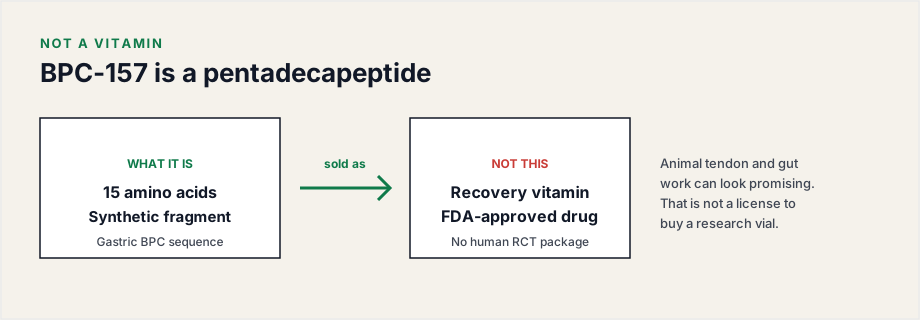
Animal tendon and gut studies can look promising. That is not a published human RCT package, and it is not a DIY recovery product. Physician or trial only. Foundations first.

Influencers are selling BPC-157 as a healing peptide. Cash-pay clinics are adding it to recovery menus next to other research vials. Gray-market shops print “not for human use” on a carton and write a wellness caption at checkout. The early animal file can look promising. The published human outcomes file does not support that marketing.
This desk does not recommend BPC-157 as a do-it-yourself wellness or injury-repair product. Any compounded, intravenous, intramuscular, or intra-articular use belongs with a licensed physician for a defined medical indication or a registered trial, not a browser cart. Exhaust the safe foundations first: physiotherapy you can recover from, sleep, dietary protein, and creatine monohydrate. Those have a thicker human record than a research peptide.
This is piece 2 of the same caution series as NAD+, NMN, and NR: what the evidence says, TB-500: a research fragment, not a recovery drug, and CJC-1295 and ipamorelin: a GH stack, not an anti-aging drug. Promising early research is not a DIY product. The chemistry is different. The refusal is the same.
What BPC-157 is, and what it is not
BPC-157 is a synthetic pentadecapeptide: 15 amino acids, a fragment related to a protein sequence isolated from human gastric juice and often called a body protection compound. Catalogs also use Bepecin or PL 14736. That is a research peptide. It is not a vitamin. It is not a food. It is not creatine. It is not an FDA-approved drug.
Clinics still file it next to “recovery stacks” as if a gastric fragment were a physiotherapy session in a vial. That is category error. A 15-residue peptide can be interesting in a rat tendon model and still be a Poor consumer product.
How we evaluated this
We read systematic and narrative reviews, the FDA compounding page, the ClinicalTrials.gov record, and the small human pilots that exist. We did not treat manufacturer blogs, Telegram protocols, or “research use” product pages as evidence.
Vasireddi, Hahamyan, and colleagues (2025) is the cleanest sports-medicine map we have: 36 studies from 1993 through mid-2024, 35 of them preclinical, one clinical series. McGuire and colleagues (2025) call the human file extremely limited and name three pilot settings. Józwiak and colleagues (2025) note that the oral Phase I registry study did not deliver posted results. Chang and colleagues (2011) is representative tendon-cell and animal-context work, not a human outcomes trial. He and colleagues (2022) is rat and dog pharmacokinetics. Lee and Burgess (2025) is a two-person intravenous pilot. Lee, Walker, and Ayadi (2024) is an uncontrolled 12-woman interstitial-cystitis series using a compounded product.
We do not invent response rates. Where a review reports a count from a tiny series, we attribute that count to the review. We do not turn a registry row into a completed trial.
The animal file can look promising. Label it as animal.
Chang, Tsai, Lin, Hsu, and Pang reported that BPC-157 promoted tendon outgrowth, cell survival, and migration in a Journal of Applied Physiology paper. Vasireddi’s systematic review summarizes a much larger preclinical set: better functional, structural, or biomechanical readouts in muscle, tendon, ligament, and bone-injury models, plus proposed effects on growth-hormone receptor expression, angiogenesis pathways, and inflammatory cytokines. He and colleagues mapped distribution and clearance in rats and dogs.
That is real laboratory work. It is also the wrong object for a checkout flow. Rodent tendon healing is not a human randomized repair trial. Angiogenesis in an animal model is not a license to inject a gray-market powder. We said the same thing about NAD+ precursors and rodent ageing stories. The molecule changed. The rule did not.
The human file is thin
Here is the honest inventory.
The Phase I you will see cited. NCT02637284 registered an oral, randomized, placebo-controlled safety and pharmacokinetics study of PCO-02 (Bepecin / BPC-157) in healthy volunteers, estimated enrollment 42, at a Tijuana site, with an estimated 2016 completion. The ClinicalTrials.gov status is unknown. No results are posted. Józwiak and colleagues write that the researchers cancelled submission of results in 2016. Mateescu and colleagues, reviewing formulation barriers in 2026, write that no pharmaceutical-grade formulation has been developed or validated and that there is no completed Phase II trial. We will not invent what those volunteers experienced.
The sports-medicine clinical series. Vasireddi et al. found one clinical study in their systematic sweep: a retrospective intra-articular series for unspecified chronic knee pain. As those reviewers summarize it, 7 of 12 patients reported relief lasting more than six months. That is a small, uncontrolled chart review, not a blinded RCT, and not a reason to sell a vial to a runner with a sore hamstring.
Two later pilots, still not RCTs. Lee and Burgess infused BPC-157 intravenously in two adults who had received the peptide before and reported no adverse signals on the labs they checked. Two people is not a safety monograph. Lee, Walker, and Ayadi treated 12 women with interstitial cystitis using compounded BPC-157 during a single cystoscopy procedure, without a control arm, and reported Global Response Assessment scores. An uncontrolled 12-person series in Alternative Therapies in Health and Medicine is not a consumer recovery drug.
McGuire and colleagues put those three human settings in one sentence we will keep: human data are extremely limited; rigorous, large-scale trials are lacking; until they exist, BPC-157 should be considered investigational.
Newer registry rows may appear. A ClinicalTrials.gov identifier is a plan, not a result. We will not write efficacy from a listing.
| Claim being sold | What the human file actually holds | | --- | --- | | Oral BPC-157 as a studied recovery tablet | NCT02637284 exists as a Phase I safety/PK listing. No results posted | | Injectable BPC-157 as a proven tendon or muscle drug | No published peer-reviewed RCT efficacy package | | “Clinics use it, so it is safe” | FDA published immunogenicity, impurity, and limited-route-safety concerns for compounding | | Animal tendon and gut papers | Preclinical. Do not translate them into a shopping list |
FDA compounding language is not a product endorsement
BPC-157 is not FDA-approved for any indication. On the agency page covering bulk drug substances that may present significant safety risks, BPC-157 sits on the “nominated but withdrawn” table. The nominators pulled the request. The safety rationale FDA published is still the relevant public text: compounded BPC-157 may pose immunogenicity risk for certain routes; peptide impurities and active-ingredient characterization are not simple; the agency found no, or only limited, safety information for the proposed routes and therefore lacks sufficient information to know whether the drug would cause harm in humans.
That is the opposite of a green light. A 503A compounding pharmacy label is not an NDA. A cash-pay peptide menu is not an IND.

Gray-market vials and clinic menus: Poor
Some shops sell BPC-157 as a lyophilized “research chemical” with a disclaimer that the vial is not for human use and a caption that assumes it is. That is not a nutrition gray area. It is a sterility, identity, and legal problem stacked on an empty RCT file. Peptide impurities are one of the reasons FDA wrote the compounding note in the first place.
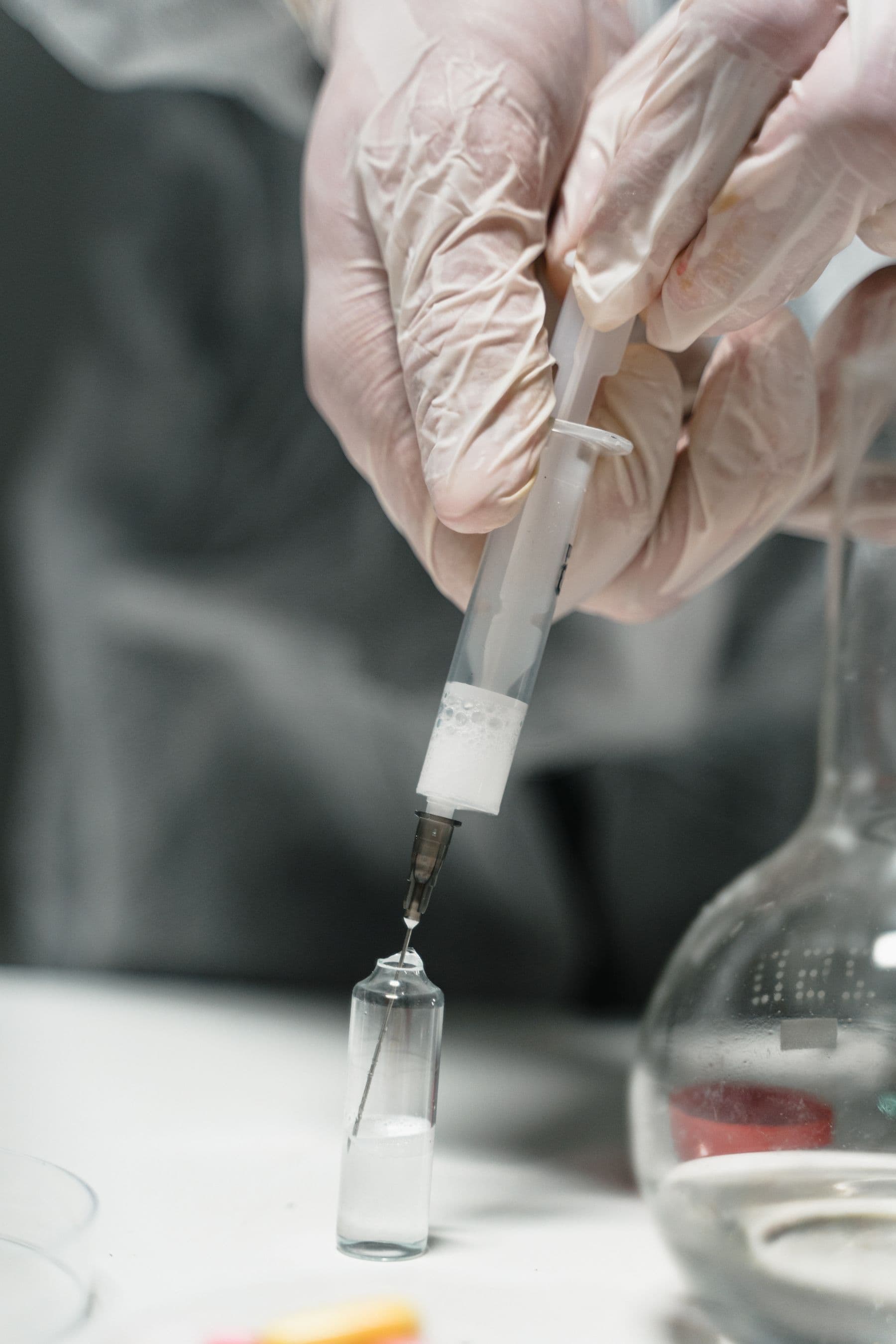
We will not tell you how to source, reconstitute, dose, or inject BPC-157. If a licensed physician is using a compounded product inside a defined indication or a registered trial, that is their license and their record. A browser cart is not that setting.
Athletes have a second, simpler line. WADA’s 2026 Prohibited List, in force 1 January 2026, names BPC-157 under S0 Non-approved substances: no current governmental approval for human therapeutic use, prohibited at all times. A “healing peptide” caption does not create a therapeutic-use exemption.
What to do instead
Do the unfashionable work. See a physical therapist for the actual tissue problem. Load the tendon or muscle in a way you can recover from. Sleep. Eat protein on purpose. If you use creatine, use creatine monohydrate as labeled, in a dry powder or a dry stick mixed fresh, not a melted gummy and not a peptide. We laid out the gummy problem in Creatine gummies: why we don’t recommend them. The NAD+ piece in this series makes the same foundations argument for a different molecule.

Those foundations will not make a torn tendon vanish overnight. They are the habits with outcome data you can actually defend in a clinic note. A research vial with a Telegram protocol does not replace them.
Sister-brand pick: Rephora Labs sticks, not a healing peptide
Sister-brand label. Rephora Labs is owned by OCN LLC, the same company that publishes Nutritionist Guide. This is not an outside pick. The outbound link goes to the brand. A creatine stick is not a BPC-157 alternative and it is not a treatment for a tendon injury. We are pointing at a better-studied, dry monohydrate habit after you have already decided that creatine belongs in your week.
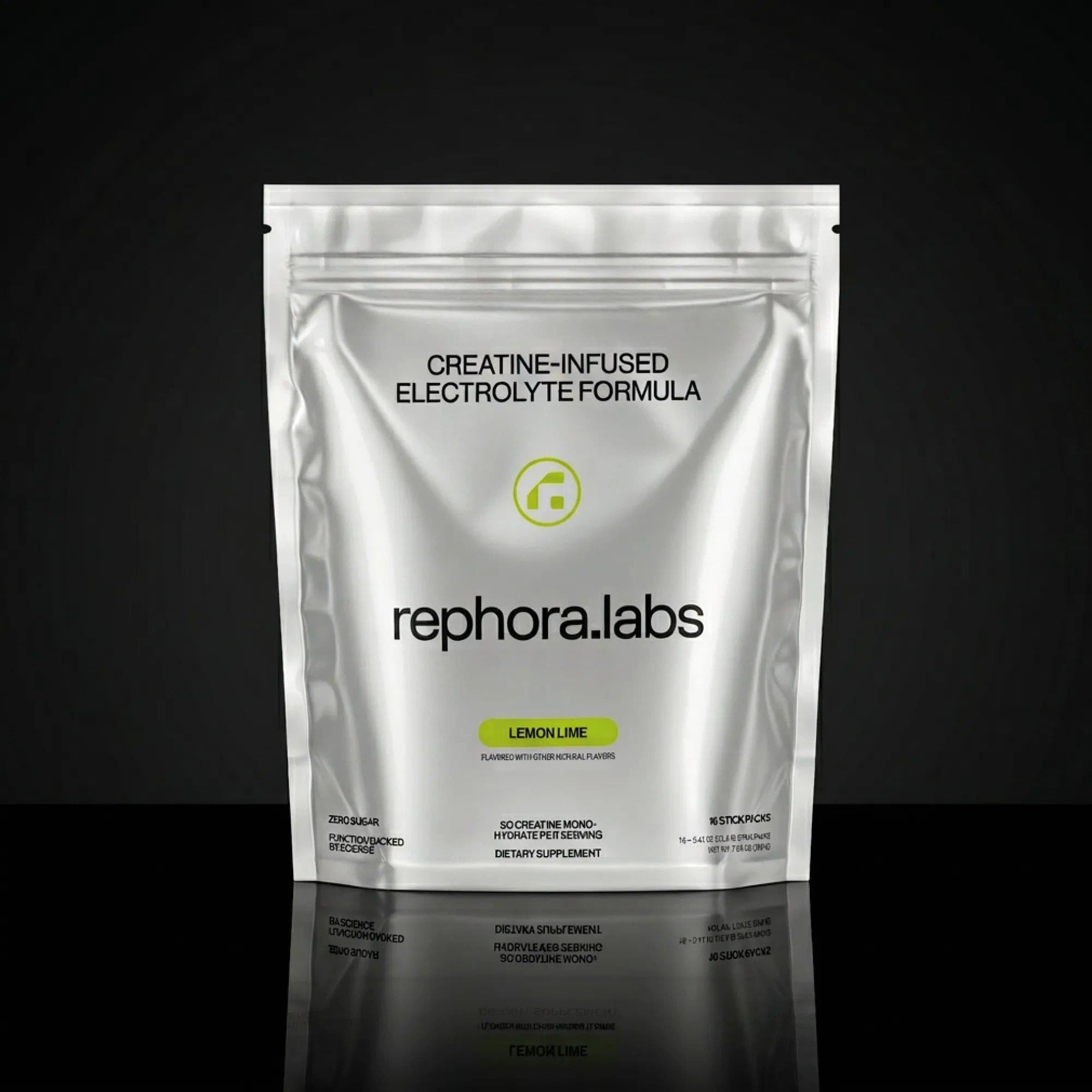
Shop Rephora Lemon Lime on the brand site, or start at rephoralabs.com.
What the brand site states, and what we are repeating as brand facts rather than as a new trial:
- 5 g creatine monohydrate per stick, plus the brand’s IonGate electrolyte blend (840 mg sodium, 1,519 mg chloride, 250 mg potassium, 75 mg magnesium).
- Zero sugar. Mix in about 16 oz of water and drink it.
- Lemon Lime listed at $34.99. The brand claims third-party testing and Made in USA. Those are manufacturer statements.
- We have not run a head-to-head tendon trial on the stick. We would not. The point is narrower: if you want creatine, buy a dry monohydrate you mix fresh, read the packet, and skip the peptide menu.
If you never want to hear a sister brand named, use any creatine monohydrate powder with a lot number you can look up. The rating does not require our label.
The short version
BPC-157 is a synthetic 15-amino-acid research peptide. It is not a healing vitamin. Animal tendon and gut papers can look promising. There is no published peer-reviewed randomized efficacy package that supports consumer use. The oral Phase I listing has no posted results. Small uncontrolled pilots are not that package. FDA published immunogenicity, impurity, and limited-route-safety concerns for compounding. Gray-market vials and cash-pay “healing peptide” menus are Poor. Physio, sleep, protein, and creatine monohydrate as labeled remain Excellent foundations. They are still not a peptide. They are simply the better-studied place to spend a week.
If a clinic will not show you the outcomes trial behind the vial, walk out. If a bottle claims to repair a tendon because a rat study did, leave it on the shelf. If a carton arrives with a research-use sticker and a wellness caption, that is your answer.
Nutritionist Guide is not your clinician. This page is not medical advice, not a dose table, and not a protocol for compounding, injecting, or ingesting BPC-157. People who are pregnant, trying to conceive, breastfeeding, living with liver or kidney disease, immunosuppressed, or managing a complex medication list should not start a research peptide because a podcast said so. Talk to the clinician who already has your chart. Athletes subject to anti-doping rules should treat WADA S0 as a stop sign, not a gray area.
Bibliography
Sources and references
Linked citations go to the publisher, PubMed, PMC, or the news report. Marketplace assays are industry testing, not randomized trials.
- 01U.S. Food and Drug Administration. Certain bulk drug substances for use in compounding that may present significant safety risks. BPC-157 appears on the “nominated but withdrawn” table. FDA’s published rationale: compounded BPC-157 may pose immunogenicity risk for certain routes; peptide-related impurities and API characterization are complex; the agency identified no, or only limited, safety information for the proposed routes and therefore lacks sufficient information to know whether the drug would cause harm in humans. Not an approved indication.
- 02ClinicalTrials.gov. NCT02637284. PCO-02 safety and pharmacokinetics trial. Phase I, randomized, placebo-controlled oral Bepecin (BPC-157) in healthy volunteers, sponsor PharmaCotherapia d.o.o., estimated enrollment 42. Status listed as unknown. No results posted on the registry. A listing is not a published safety or efficacy paper.
- 03Vasireddi N, Hahamyan H, Salata MJ, Karns M, Calcei JG, Voos JE, Apostolakos JM. Emerging use of BPC-157 in orthopaedic sports medicine: a systematic review. HSS J. 2025;21(4):485-495. PMID 40756949. 36 included studies from 1993–2024: 35 preclinical, 1 clinical. Preclinical models reported better functional, structural, or biomechanical outcomes in muscle, tendon, ligament, and bone injury. The one clinical series was a small retrospective intra-articular knee-pain report (7 of 12 patients described relief lasting more than 6 months, as summarized by the reviewers). No FDA-approved indication. PMC12313605
- 04McGuire FP, Martinez R, Lenz A, Skinner L, Cushman DM. Regeneration or risk? A narrative review of BPC-157 for musculoskeletal healing. Curr Rev Musculoskelet Med. 2025. PMID 40789979. Human data described as extremely limited: three pilot settings (intra-articular knee pain, interstitial cystitis, intravenous safety/pharmacokinetics). No rigorous large trials. Authors treat BPC-157 as investigational.
- 05Józwiak M, Bauer M, Kamysz W, Kleczkowska P. Multifunctionality and possible medical application of the BPC 157 peptide: literature and patent review. Pharmaceuticals (Basel). 2025;18(2):185. PMID 40005999. Notes that NCT02637284 researchers cancelled submission of results in 2016; FDA and other regulators have not approved BPC-157 for standard medical use because comprehensive human studies are lacking. PMC11859134
- 06Chang CH, Tsai WC, Lin MS, Hsu YH, Pang JH. The promoting effect of pentadecapeptide BPC 157 on tendon healing involves tendon outgrowth, cell survival, and cell migration. J Appl Physiol (1985). 2011;110(3):774-780. PMID 21030672. Preclinical tendon-cell and animal-context work. Not a human outcomes trial.
- 07He L, Feng D, Guo H, et al. Pharmacokinetics, distribution, metabolism, and excretion of body-protective compound 157, a potential drug for treating various wounds, in rats and dogs. Front Pharmacol. 2022;13:1026182. Animal ADME. Not a substitute for a human PK package. PMC
- 08Lee E, Burgess K. Safety of intravenous infusion of BPC157 in humans: a pilot study. Altern Ther Health Med. 2025;31:20-24. PMID 40131143. Two adults, 10 mg then 20 mg IV on consecutive days, as reported by the authors. Uncontrolled. Not an efficacy RCT and not a license to treat a two-person pilot as a safety monograph.
- 09Lee E, Walker C, Ayadi B. Effect of BPC-157 on symptoms in patients with interstitial cystitis: a pilot study. Altern Ther Health Med. 2024;30:12-17. PMID 39325560. Twelve women, single-procedure intravesical compounded BPC-157, no control arm. The authors report symptom scores; this is not a randomized efficacy package for consumer use.
- 10World Anti-Doping Agency. World Anti-Doping Code International Standard Prohibited List 2026. In force 1 January 2026. Section S0 Non-approved substances names BPC-157 as an example of a pharmacological substance with no current governmental approval for human therapeutic use, prohibited at all times.
- 11Mateescu DM, Gavrilescu DM, Constantinescu FE, et al. BPC-157 as an investigational peptide therapeutic: biopharmaceutical challenges, formulation strategies, and translational development barriers. Pharmaceutics. 2026;18(5):625. Narrative review. The authors write that pharmaceutical development remains rudimentary: no approved formulation, no validated dosing regimen, and no completed Phase II trial. They also write that no pharmaceutical-grade formulation has been developed or validated. Not a consumer-use license. PMC13210877
- 12Rephora Labs. Product page at rephoralabs.com/products/rephore-lemon-lime-flavor. Brand-stated stick facts: 5 g creatine monohydrate plus IonGate electrolytes (840 mg sodium, 1,519 mg chloride, 250 mg potassium, 75 mg magnesium), zero sugar, mix in about 16 oz water; Lemon Lime listed at $34.99; third-party tested and Made in USA claims. Not an independent assay and not a tissue-repair trial.